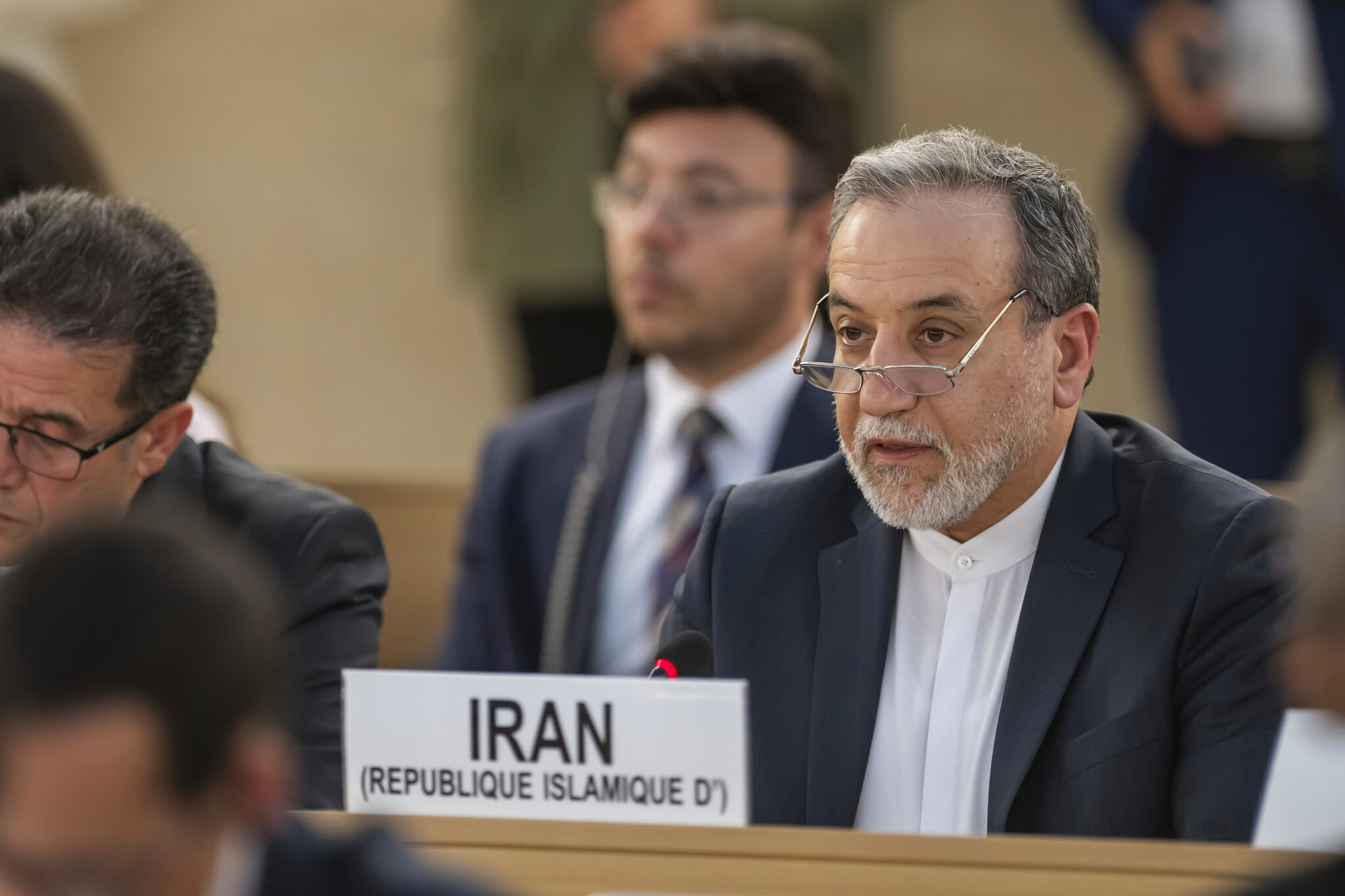
Iran's Foreign Minister Hussein Amir Abdollahian has stated that Iran is carefully studying former President Donald Trump's request for negotiations. This statement comes in light of the complex political circumstances the region is facing, as Iran seeks to strengthen its position on the international stage.
Abdollahian's remarks reflect Iran's desire to open channels for dialogue, despite ongoing tensions with the United States. The minister indicated that Iran is willing to consider any proposals that contribute to achieving peace and stability in the region.
Details of the Request
During a press conference, Abdollahian confirmed that Iran does not oppose talks with any party, including the United States, provided that these discussions are based on mutual respect. He also clarified that Iran hopes these negotiations will lead to positive outcomes that benefit all parties involved.
This request from Trump comes at a time when the world is witnessing significant political shifts, especially following the recent U.S. elections. Trump appears to be seeking a return to the political arena and considers dialogue with Iran as part of his strategy.
Background & Context
Historically, relations between Iran and the United States have been marked by severe tensions, particularly after Trump's withdrawal from the nuclear agreement in 2018. This withdrawal led to the imposition of strict economic sanctions on Iran, significantly impacting its economy and exacerbating internal crises.
Despite this, Iran continues to strive to maintain communication channels with major powers. Previous experiences have shown that dialogue can be an effective means to alleviate tensions, even in the most challenging circumstances.
Impact & Consequences
If Trump's request is accepted, it could lead to radical changes in the political dynamics of the region. Dialogue between Iran and the United States could open doors for improving relations between Iran and Western countries, potentially contributing to regional stability.
On the other hand, Iran may face internal challenges from factions opposing any form of dialogue with the United States. Therefore, it will be crucial to monitor both internal and external reactions to this request.
Regional Significance
The Iranian-American relations are a sensitive issue that affects security and stability in the Arab region. Any improvement in these relations could positively impact the Gulf Arab states, which are concerned about Iran's growing influence.
Moreover, potential dialogue could help ease tensions between Iran and Arab countries, paving the way for greater cooperation in various fields such as economics and security.
Iran's consideration of Trump's request could be a step towards a fundamental change in international relations, raising questions about the future of the region and how these dynamics will affect regional security and stability.