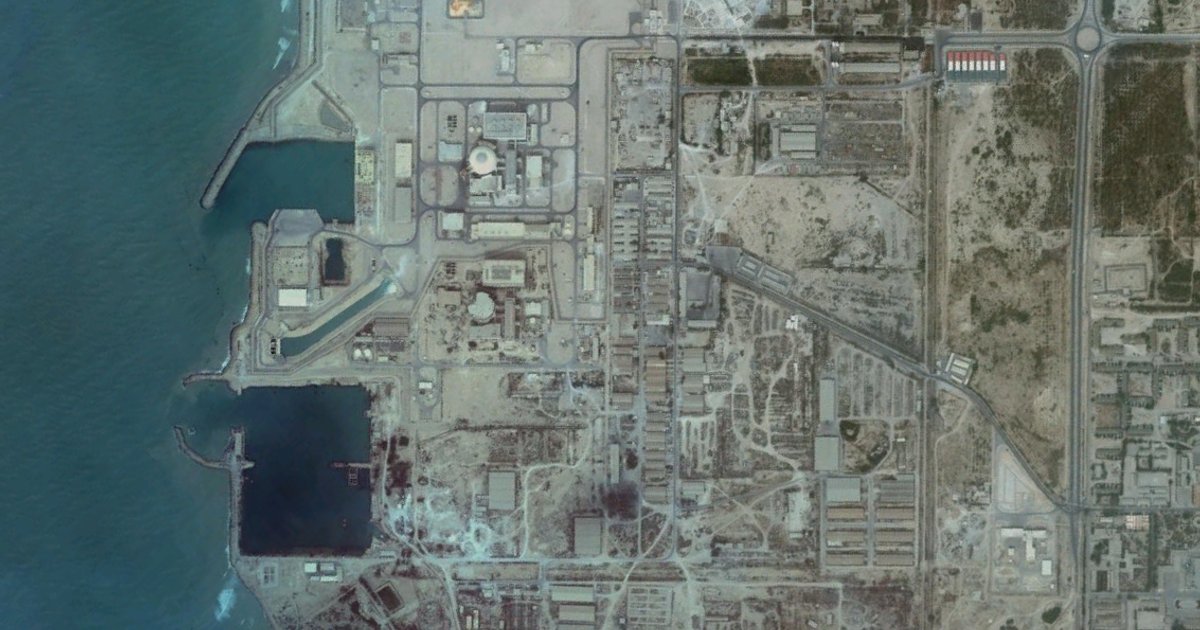
Iran has expressed its dissatisfaction with the position of the International Atomic Energy Agency (IAEA) following the targeting of the Bushehr nuclear plant, stating that the agency has not taken a firm stance against this aggression. This statement comes at a sensitive time, as regional tensions surrounding Iran's nuclear program are escalating.
The targeting of the Bushehr plant, believed to be part of military operations aimed at Iranian nuclear facilities, has raised concerns within the Iranian government, which asserts that such actions pose a threat to both regional and international security.
Details of the Incident
In an official statement, the spokesperson for the Iranian Foreign Ministry criticized the IAEA's stance, noting that the agency did not condemn the attack on the Bushehr plant, reflecting its bias. He emphasized that Iran will continue to develop its peaceful nuclear program despite international pressures.
The attack on the Bushehr plant occurs at a time when the region is experiencing increasing tensions, with Iran facing pressure from several countries, particularly the United States and its allies. Iran has repeatedly asserted its right to develop nuclear energy for peaceful purposes, stressing that its nuclear program is under the oversight of the IAEA.
Background & Context
The Bushehr nuclear plant is considered one of Iran's most important nuclear facilities and was commissioned in 2011 after years of construction. This plant is part of Iran's efforts to develop nuclear energy amid international concerns that this technology could be used for military purposes.
Concerns are growing about escalating tensions in the region, as recent years have seen several similar incidents, reflecting the ongoing tensions between Iran and Western countries. Additionally, the situation in the Middle East is complex, with overlapping political and military interests among the countries in the region.
Impact & Consequences
This escalation could lead to increased tensions between Iran and Western countries, as Iran may take further steps in developing its nuclear program. The IAEA's lack of response may reflect a weakness in its role as a regulatory body, potentially affecting its credibility in the international community.
If attacks on nuclear facilities continue, Iran may resort to more severe measures, which could lead to military escalation in the region. This situation could also impact global energy markets, as oil prices may be affected by any potential escalation.
Regional Significance
The tensions surrounding Iran's nuclear program are a sensitive issue in the Arab region, where many countries fear that Iran's development of nuclear capabilities could lead to an arms race. Countries such as Saudi Arabia and the UAE have expressed concern over these developments, which may affect regional stability.
In conclusion, the situation in the region remains complex, with overlapping political and security interests, necessitating a comprehensive diplomatic solution to avoid escalation. The IAEA's position on this issue will have significant implications for the future of international relations with Iran.