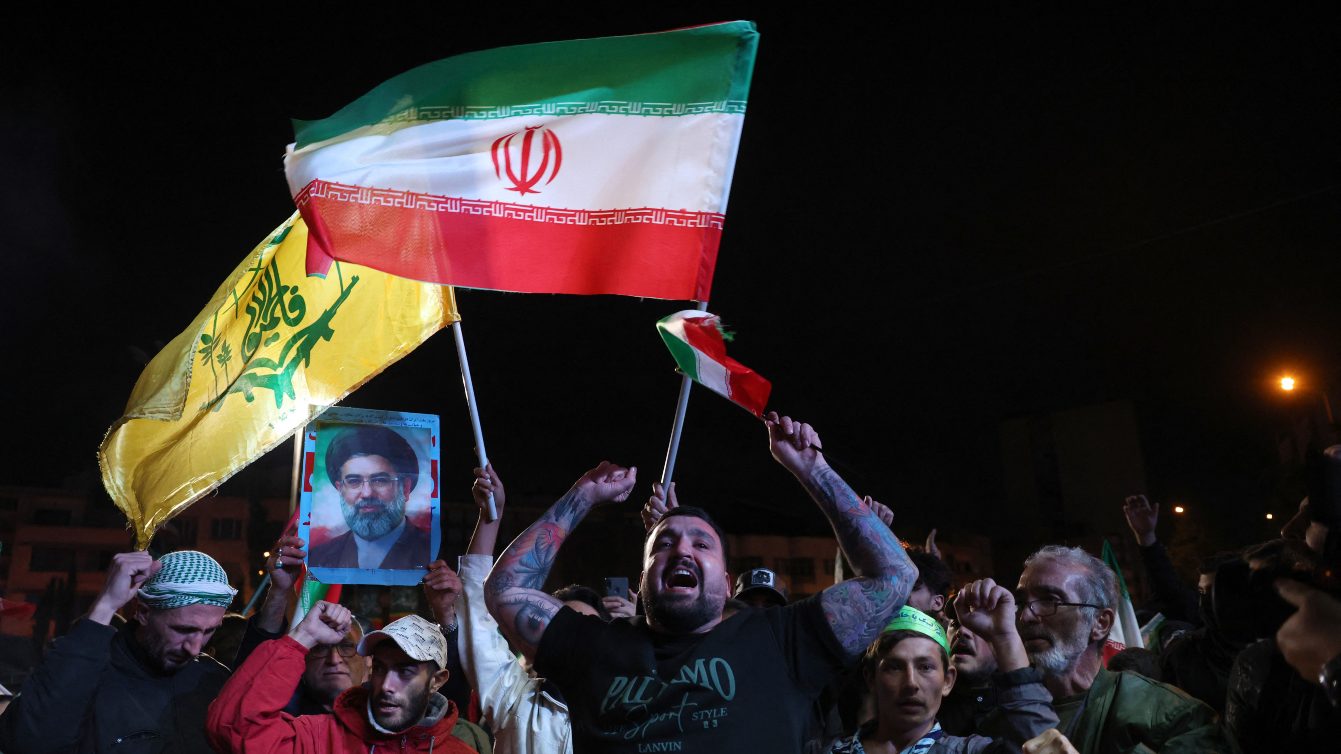
Iran has announced a significant victory in its conflict with the United States, with this declaration coming at a sensitive time following weeks of military escalation initiated by American-Israeli attacks on Iran. The ceasefire, viewed as a narrow opportunity for diplomacy, was announced after mediation efforts led by Pakistan.
The fighting disrupted shipping through the Strait of Hormuz, a vital corridor for global energy, raising fears of a broader regional war. A two-week pause was announced, coinciding with the reopening of the strait and the commencement of negotiations in Islamabad.
Details of the Announcement
In a statement from the Iranian Supreme National Security Council, it was confirmed that Iran had compelled the United States to accept its demands framework. The 10-point plan includes guarantees of non-aggression, continued Iranian control over the Strait of Hormuz, acceptance of uranium enrichment, and the lifting of all sanctions.
The statement also called for an end to hostilities on all fronts, including against the Islamic resistance in Lebanon. Iranian officials indicated that these negotiations do not signify the end of the war but rather an opportunity to reach a broader agreement.
Background & Context
Historically, Iranian-American relations have been marked by severe tensions, with recent events being part of a long-standing conflict between the two parties. This round of escalation began after a series of military and economic pressures on Iran, prompting a strong response to the attacks it faced.
This war is part of a broader struggle involving numerous regional and international actors, as Iran seeks to enhance its influence in the region while the United States aims to diminish that influence.
Impact & Consequences
The ceasefire is considered an important step, yet the outcomes remain uncertain. This truce is viewed as a temporary alleviation of tensions rather than a permanent settlement. Some analysts have suggested that these negotiations could open the door to changes in regional dynamics.
At the same time, there are concerns that any failure in the negotiations could lead to a renewed escalation of the conflict, potentially affecting the stability of the entire region.
Regional Significance
Arab countries are directly affected by this conflict, as the Strait of Hormuz is a lifeline for Arab oil. Any escalation in the conflict could impact oil prices and increase tensions in the region.
Moreover, Iran's success in achieving its goals could encourage its allies in the region, potentially leading to shifts in regional alliances.
In conclusion, the situation in the region remains volatile, with eyes turning toward the upcoming negotiations in Islamabad, which may determine the future of Iranian-American relations in the near term.