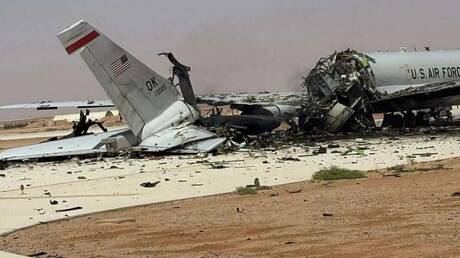
Iran's destruction of the Boeing E-3 Sentry early warning and control aircraft (AWACS) is a serious strategic blow to the United States, according to the British newspaper Daily Telegraph. This event signifies a milestone in the ongoing conflict between Tehran and Washington, reflecting an escalation in military tensions between the two parties.
The Boeing E-3 Sentry is one of the most important military aircraft in the US arsenal, used for early warning and air surveillance missions. It was destroyed in an incident that occurred in the past few days, raising significant concerns within US military circles.
Details of the Incident
Reports indicate that the aircraft was conducting a surveillance mission in Iranian airspace when it came under attack. Iran has confirmed that it destroyed the aircraft using advanced air defense systems, highlighting its advancements in military technology. This attack comes at a sensitive time, as the region is experiencing increasing tensions between Iran and the United States, especially following the latter's withdrawal from the nuclear agreement.
This incident is part of a series of military escalations between the two sides, as Iran continues to develop its military capabilities in response to US pressures. Experts suggest that this development could change the rules of the game in the region and impact US military strategies.
Background & Context
The roots of tensions between Iran and the United States date back decades, with relations deteriorating significantly since the Islamic Revolution in 1979. Since then, the US has pursued a policy of pressure on Iran, including imposing economic and military sanctions.
In recent years, tensions have notably increased following the US withdrawal from the Iranian nuclear agreement in 2018. Since then, Iran has expanded its nuclear program and developed its military capabilities, raising concerns within the international community.
Impact & Consequences
The destruction of the American aircraft could lead to greater escalation in tensions between Iran and the United States, with Washington likely to respond to this attack by increasing its military presence in the region. This escalation could have dire consequences for regional and international security, increasing the chances of armed conflict.
This event may also affect US allies in the region, such as Saudi Arabia and Israel, who may feel a heightened threat due to Iran's military advancements. Some analysts suggest that this incident could prompt Arab countries to reassess their security and military strategies.
Regional Significance
This incident serves as a wake-up call for Arab countries, highlighting the need to enhance security and military cooperation to address the increasing threats from Iran. The rising tensions could also impact the stability of the entire region, necessitating proactive measures from Arab states to protect their interests.
Ultimately, the events in the region remain volatile, and Arab countries must be prepared to face new challenges that may arise as a result of this escalation. Strengthening regional cooperation and intelligence sharing may be key to addressing future threats.