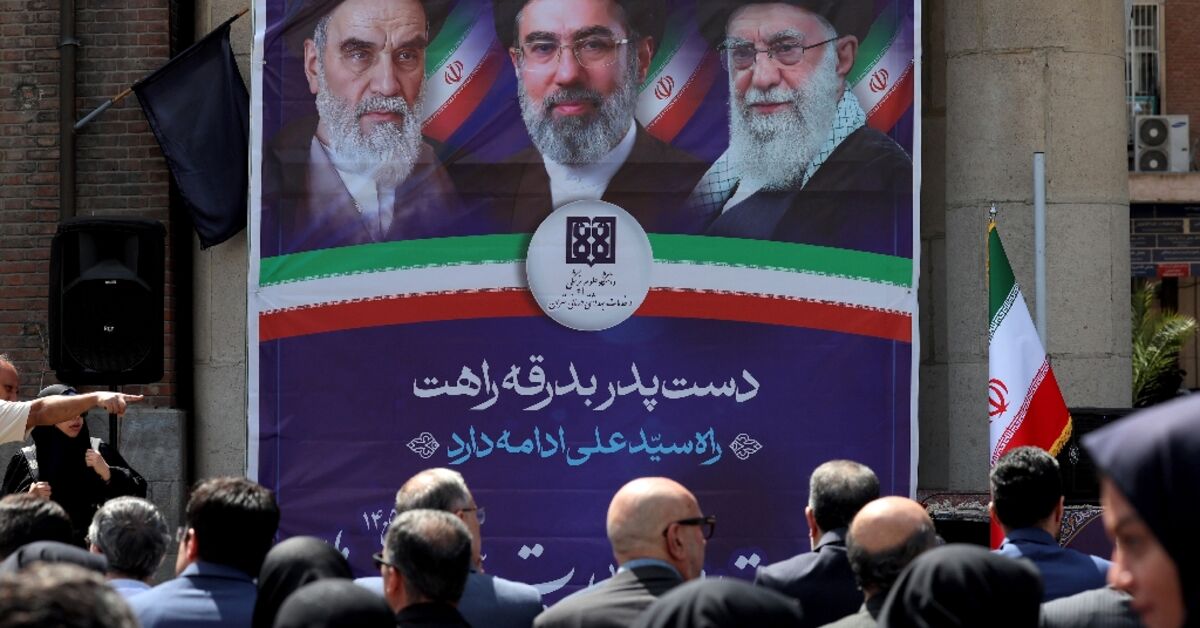
In its efforts to strengthen its narrative amid the ongoing conflict with Israel and the United States, Iran has intensified its presence on social media. Iranian embassies around the world have increased content dissemination, including videos mocking former US President Donald Trump, while also maintaining active accounts in the name of its late Supreme Leader.
This move comes five weeks after a rise in military tensions, as Iranian authorities seek to leverage these platforms to bolster their stance and present their own narrative of events. This campaign is part of a broader strategy aimed at influencing global public opinion and steering the discourse surrounding the conflict.
Details of the Campaign
The Iranian campaign involves disseminating diverse content across platforms like Twitter and Facebook, employing a satirical approach to capture attention. The videos produced using Lego figures reflect Tehran's perspective on events, showcasing Iran's ability to utilize modern digital tools in its media battle.
Moreover, Iran has not hesitated to employ cultural and historical symbols to reinforce its message, demonstrating a deep understanding of how to use social media in the contemporary era. This strategy allows it to reach a broader audience, including youth who are more engaged with digital content.
Background & Context
Historically, Iran has always sought to enhance its image in the Arab and Islamic worlds, especially amid ongoing tensions with the United States and Israel. Since the Islamic Revolution in 1979, Iran has utilized media as a tool to promote its ideas and disseminate its narrative regarding regional and international events.
In recent years, with the increasing use of social media, these platforms have become integral to the media strategies of nations. Iran, facing both internal and external challenges, is now looking to exploit these tools to strengthen its position in the ongoing conflict.
Impact & Consequences
This media campaign is part of Iran's efforts to control the media narrative, which may affect how the international audience perceives the conflict. By presenting an alternative narrative, Iran hopes to alter negative perceptions of itself and bolster its support in the Arab world.
Furthermore, this strategy could lead to heightened tensions between Iran and Western countries, as these activities may be viewed as a threat to regional security. The use of satire in the content may elicit mixed reactions from the audience, creating further division in opinions regarding the conflict.
Regional Significance
This campaign highlights how countries utilize social media as a tool to influence public opinion and promote their narratives during crises. It underscores the importance of digital platforms in shaping perceptions and responses to geopolitical events.
In conclusion, Iran's digital campaign reflects its strategic approach to modern media, aiming to reshape narratives and bolster its influence in a complex geopolitical landscape.