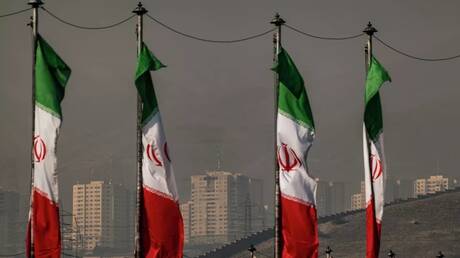
Iran is closely examining the US response to its proposals, as stated by Ali Safri, a spokesperson for the Iranian Foreign Ministry. This evaluation comes at a sensitive time when tensions in the region are escalating. Safri highlighted that Iran prioritizes halting the war and reopening the Strait of Hormuz, which is vital for global trade.
Safri's remarks come amid rising concerns over military escalation in the region, where the US and Iran remain in a state of ongoing tension. These tensions have impacted navigation in the Strait of Hormuz, raising alarms among countries involved in maritime trade.
Details of the Situation
In his statements, Safri noted that Iran is closely monitoring US reactions to its proposals aimed at stabilizing the region. He affirmed that the lack of trust in US actions reflects a long history of tensions between the two countries, particularly since the US withdrawal from the nuclear agreement in 2018, which has led to a noticeable deterioration in bilateral relations.
Safri also mentioned that Iran is seeking diplomatic solutions to current crises; however, recent US statements may complicate these efforts. The Strait of Hormuz is a strategic point through which approximately 20% of the world's oil passes, increasing the importance of stability in this region.
Context and Background
Historically, US-Iran relations have witnessed numerous crises, starting with the Islamic Revolution in 1979, which resulted in the severance of diplomatic ties between the two nations. Since then, the US has pursued a policy of pressure on Iran, leading to the imposition of stringent economic sanctions.
In recent years, tensions have significantly increased, especially following attacks on oil tankers in the Strait of Hormuz, which Iran has been accused of orchestrating. These events have led to a heightened US military presence in the region, further escalating tensions.
Consequences and Impact
Recent statements from Iran could exacerbate the situation in the region, potentially affecting global oil prices and increasing fears of military conflict. If the US continues to take escalatory actions, Iran may feel compelled to respond, leading to a cycle of violence.
Moreover, ongoing tensions in the Strait of Hormuz could impact neighboring countries, many of which rely on regional stability to ensure their economic and political security. Consequently, any escalation could negatively affect regional security.
Impact on the Arab Region
Arab countries neighboring Iran, such as Saudi Arabia and the United Arab Emirates, are among the most affected by the tensions in the Strait of Hormuz. These nations heavily depend on their oil exports, and any threat to navigation could directly impact their economies.
Furthermore, the continuation of tensions may lead to increased divisions in the region, as some countries may adopt opposing stances based on their relationships with the US and Iran. This situation could complicate peace and stability efforts in the Middle East.
In conclusion, the situation in the Strait of Hormuz remains under scrutiny, with concerned nations awaiting reactions from both sides. Achieving stability in this vital region requires ongoing diplomatic efforts and international cooperation.