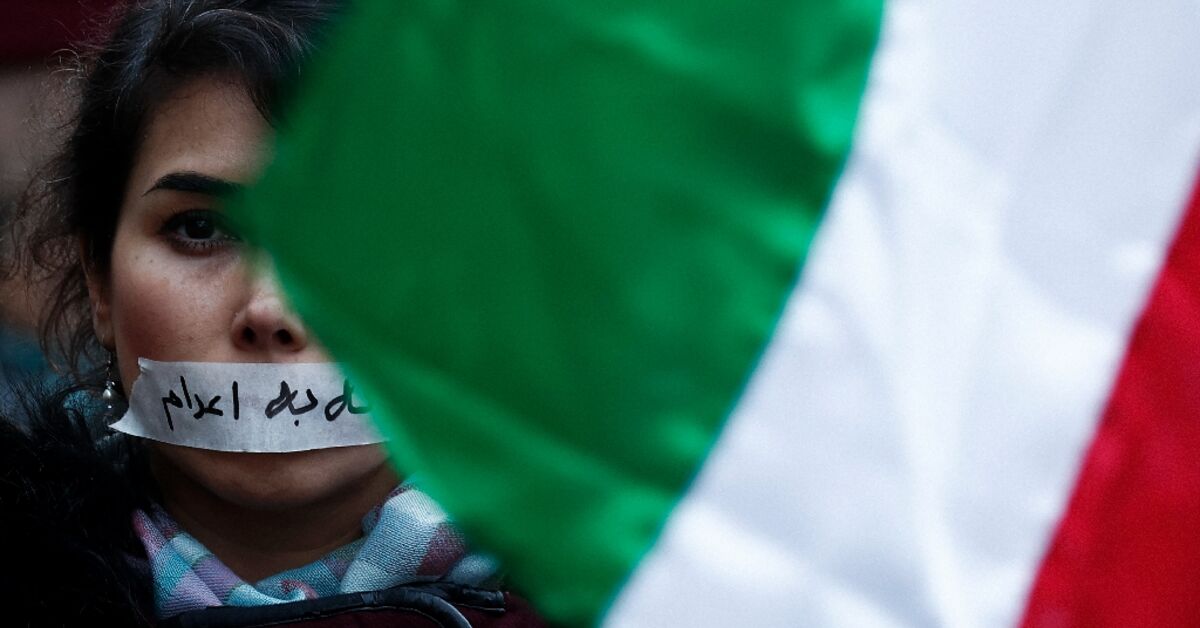
In a controversial move, Iranian authorities executed 29-year-old graduate student Erfan Shakourzadeh on Monday after he was convicted of collaborating with the U.S. Central Intelligence Agency (CIA) and the Israeli Mossad. This incident occurs at a time when political and security tensions in the region are intensifying, raising alarms about human rights in Iran.
Shakourzadeh was arrested on espionage charges, with reports indicating that he was gathering information for foreign entities. He was convicted in an Iranian court, leading to the issuance of the death penalty, which has sparked widespread reactions from human rights organizations that view this action as a blatant violation of human rights.
Details of the Case
This incident is part of a series of executions recently carried out by Iran, seen as part of the government's policy to confront external threats, particularly amid rising tensions with the United States and Israel. The Iranian judiciary's official website, Mizan, noted that Shakourzadeh was executed following a trial deemed unfair by many observers.
Concerns about human rights in Iran are growing, as the country faces international criticism for its record in this area. Human rights organizations, such as Amnesty International, have called for a halt to executions, arguing that such measures do not resolve security issues but rather exacerbate tensions within Iranian society.
Background & Context
Historically, Iran has witnessed numerous executions carried out under the pretext of national security, especially during political crises. Since the Islamic Revolution in 1979, the Iranian government has used the death penalty as a means to control political opposition and instill fear among citizens. In recent years, executions have significantly increased, raising alarm among the international community.
These events coincide with escalating tensions in the region, where Iran frequently accuses the United States and Israel of interfering in its internal affairs. This escalation in international relations directly impacts Iranian domestic policies, leading to stringent actions against any opponents or suspects.
Impact & Consequences
This incident serves as a wake-up call regarding the deteriorating human rights situation in Iran, highlighting the use of the death penalty as a response to external threats. This could worsen conditions within the country, as citizens may feel fearful of expressing their opinions or criticizing the government.
Moreover, the continuation of such policies could negatively affect Iran's international relations, as Western countries may impose further sanctions on Tehran due to human rights violations. Additionally, these events may increase internal pressure on the Iranian government from human rights activists.
Regional Significance
The execution of Shakourzadeh underscores the precarious state of human rights in Iran and its implications for regional stability. As tensions rise, the Iranian government may resort to more extreme measures to maintain control, potentially leading to further unrest.
In conclusion, the international community must closely monitor the situation in Iran, as the implications of such actions extend beyond its borders, affecting regional dynamics and international relations.