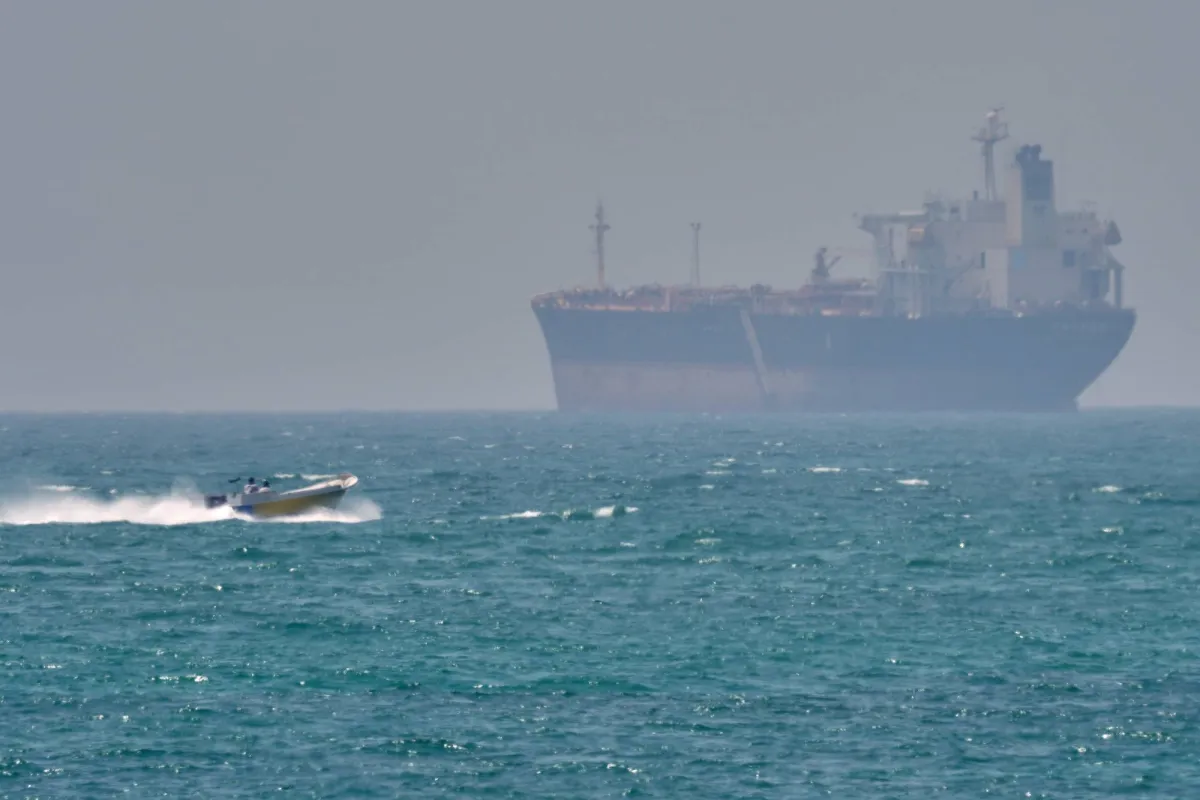
Iran is significantly affected by US sanctions, with reports indicating that the country may exhaust its available storage capacity within 22 days. As exports decline, Tehran faces difficult choices regarding oil production.
Data from Kepler, the Wall Street Journal, and Bloomberg show that Iran is racing against time, as oil exports have plummeted by over 70% since the sanctions were imposed. This sharp decline in exports has forced Tehran to implement austerity measures, including production cuts, which foreshadow significant financial distress in the coming months.
Details of the Situation
Reports confirm that Iranian exports have sharply declined since former US President Donald Trump ordered the imposition of maritime sanctions. In March, exports were at 1.85 million barrels per day, but they have recently dropped to 567,000 barrels per day.
Despite rumors of some tankers fleeing, no confirmed oil tanker has been observed leaving the sanctioned area. Instead, ships have been forced to reroute to the Chabahar Port, located outside the Strait of Hormuz, becoming a backdoor outlet for Tehran.
Background & Context
The