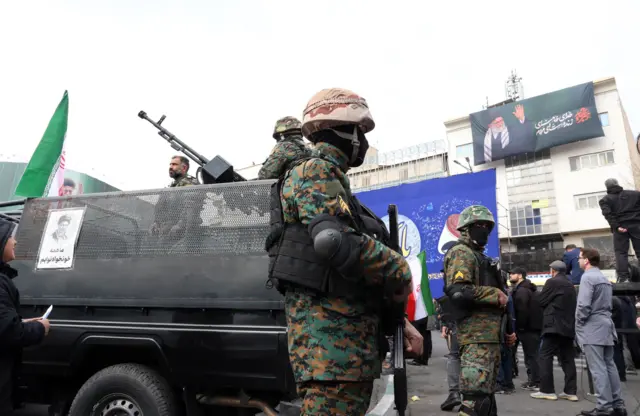
Concerns are rising that Iran has become a key player in destabilizing the global economy, with reports indicating negative impacts on Ukraine and other countries. The proxy war between Iran and Saudi Arabia casts a shadow over various aspects, including economic and social conditions.
The editorial of The Independent highlights how Iran is exploiting global crises, as Tehran appears to have taken the global economy hostage through its military and political interventions in conflict zones. These dynamics not only affect the countries involved but also extend their repercussions to distant populations, such as women in Indian kitchens, who have been indirectly affected by the fallout from these conflicts.
Details of the Event
Reports indicate that Iran, through its support for militias in the Middle East, has contributed to creating a state of instability that affects oil prices and global markets. This situation negatively impacts countries that rely on energy imports, such as Ukraine, which is suffering from the effects of the Russian-Ukrainian war, where economic pressures have increased due to rising energy prices.
Moreover, the proxy war between Iran and Saudi Arabia, manifested in conflicts in Yemen and Syria, exacerbates humanitarian and economic crises in the region. These conflicts make it difficult for the involved countries to achieve stability, leading to worsening economic and social conditions.
Background & Context
Historically, Iran and Saudi Arabia have been in a constant struggle for influence in the region, with each representing a different model of governance and politics. This conflict has not only been a competition for power but has also included proxy wars in countries like Iraq, Syria, and Yemen, leading to exacerbated humanitarian crises.
In recent years, tensions between the two countries have intensified, especially after the United States withdrew from the nuclear agreement with Iran. This withdrawal provided Iran with the opportunity to expand its influence in the region, raising concerns for Saudi Arabia and other Gulf states.
Impact & Consequences
The effects of these conflicts extend beyond regional borders, impacting the global economy as a whole. Rising oil prices due to tensions in the Middle East affect all countries, increasing the cost of living and leading to economic inflation in many nations.
Furthermore, the humanitarian crises resulting from these conflicts lead to a flow of refugees, putting additional pressure on host countries. These dynamics reflect how regional conflicts can influence global stability.
Regional Significance
For Arabs, these tensions represent a significant challenge, as Arab countries are directly affected by the conflicts in the Middle East. The humanitarian and economic crises resulting from these conflicts impact the stability of the region as a whole, increasing social and political tensions.
Ultimately, the current situation in the Middle East requires a coordinated response from Arab countries and the international community to ensure stability and peace in the region. Understanding these complex dynamics is essential for addressing future challenges.