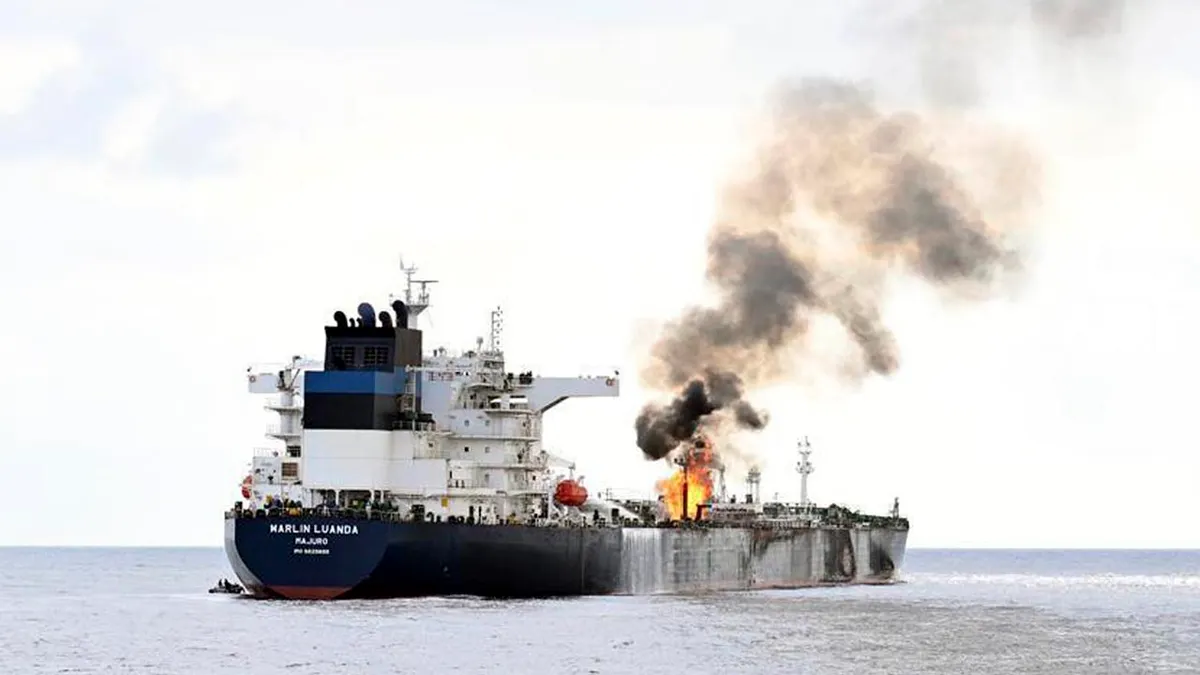
Iran targeted Qatar with three cruise missiles, resulting in damage to an oil tanker sailing in Qatari territorial waters. This attack comes at a sensitive time as tensions between Iran and Gulf countries are escalating, raising fears of a larger confrontation in the region.
The Iranian attack, which has not been officially confirmed by Qatari authorities, reflects the rising tensions in the Gulf region, where military activities and provocations between Iran and neighboring countries have increased. Initial reports indicated that the missiles struck the tanker as it passed near the Qatari coast, causing significant damage.
Details of the Incident
According to local sources, the attack occurred late at night, with Iran launching three cruise missiles from its naval positions. The targeted tanker was carrying a shipment of oil and sustained damage that led to some oil leaking into the waters. No human casualties have been reported so far, but the incident has raised significant concerns within maritime circles.
This incident is one of several similar occurrences in the region in recent months, as military activities in the Arabian Gulf have intensified. This attack comes at a critical time, as Gulf countries are seeking to bolster their maritime security in light of increasing Iranian threats.
Background & Context
Historically, relations between Iran and Gulf countries have been marked by ongoing tensions, especially following the United States' withdrawal from the Iranian nuclear deal in 2018. Since then, Iran has ramped up its military activities, including attacks on commercial vessels and oil facilities.
In recent years, Iran has developed its missile capabilities, making it an increasing threat to Gulf nations. These tensions have led to enhanced military cooperation between Gulf countries and the United States, as these nations seek to strengthen their defenses against potential threats.
Impact & Consequences
The recent attack could have significant implications for regional security. It is likely to increase tensions between Iran and Gulf countries, potentially contributing to an escalation of conflict in the region. Additionally, this attack may affect maritime navigation in the Gulf, raising concerns among companies and investors in the oil sector.
Furthermore, this attack may increase pressure on the Qatari government to enhance its maritime defenses, which may require it to take additional steps to secure its interests in the face of Iranian threats.
Regional Significance
This incident serves as a wake-up call for countries in the region, highlighting the need for enhanced security cooperation among Gulf nations to address shared threats. Moreover, this attack could lead to a reassessment of regional security strategies, especially in light of the increasing threats from Iran.
Ultimately, the situation in the Arabian Gulf remains tense, with Iranian threats persisting, necessitating decisive actions from regional countries to ensure their security and stability.