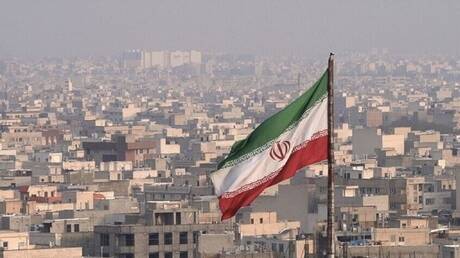
In a new military escalation, the Iranian Revolutionary Guard announced today that its 'Space Force' executed a missile attack targeting energy facilities in the Israeli city of Haifa. This attack is part of Iran's response to Israel's targeting of the Mahshahr petrochemical plant, highlighting the increasing tensions between the two sides recently.
The Iranian missile attack, carried out using advanced missiles, serves as a clear message from Tehran to Tel Aviv, indicating that any aggression against its vital facilities will not go unpunished. Iranian military sources confirmed that the attack was part of a defense of national sovereignty and protection of strategic installations.
Details of the Incident
According to reports, the Iranian missiles targeted several locations in Haifa, a vital center for Israeli economic activities. The attack resulted in significant material damage, although there have been no reports of human casualties so far. For its part, Israeli authorities confirmed that they are assessing the damage and preparing for any potential retaliation from Iran.
This attack comes at a sensitive time, as fears of a larger military escalation in the region are increasing, particularly with rising tensions between Iran and Israel over Iran's nuclear activities and Tehran's interventions in regional affairs.
Background & Context
Historically, Iranian-Israeli relations have been marked by increasing tensions, with Iran viewing Israel as an existential threat. Israel has conducted several military operations against Iranian targets in Syria, leading to escalated Iranian responses. In this context, the attack on Haifa is considered part of Iran's strategy to defend its regional interests.
On the other hand, this military escalation demonstrates how regional conflicts can rapidly evolve, threatening stability in the Middle East. The attack also reflects the challenges Israel faces in countering Iran's growing military capabilities.
Impact & Consequences
This attack could have significant implications for regional security, potentially leading to greater military escalation between Iran and Israel. Additionally, this escalation may affect relations between Iran and Western countries, especially amid ongoing discussions regarding Iran's nuclear program.
Furthermore, this attack may impact global markets, particularly oil markets, as it could lead to rising oil prices due to fears of escalating tensions in the region. Any military escalation may also affect shipping traffic in the Arabian Gulf, increasing international concerns.
Regional Significance
Considering the potential impact on the Arab region, the rising tensions between Iran and Israel could lead to increased divisions among Arab states. Some countries may find themselves forced to choose between supporting Iran or Israel, which could intensify regional conflicts.
This escalation may also affect peace efforts in the region, as negotiations between Palestinians and Israelis could stall in this tense atmosphere. It is crucial for Arab states to remain vigilant regarding these developments and work to enhance dialogue to avoid any further escalation.
In conclusion, the Iranian attack on Haifa represents a turning point in the regional conflict, reflecting the challenges faced by the involved parties in achieving stability and peace in the area.