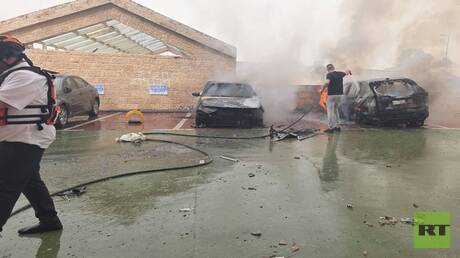
Iran targeted the cities of Haifa and Kiryat in northern Israel with a missile barrage, resulting in the postponement of an Israeli cabinet meeting. This attack occurs at a sensitive time as tensions in the region escalate, raising concerns about its potential implications for regional security.
The missile attack, which took place on Friday, reflects a notable escalation in military operations between Iran and Israel, as both countries exchange accusations and continue military operations against each other's interests. The missiles were reportedly launched from Iranian territory, highlighting Iran's capability to strike deep into Israeli territory.
Details of the Incident
According to local sources, several missiles were fired towards the city of Haifa, one of Israel's largest cities, as well as the nearby Kiryat area. The attack did not result in any casualties, but significant material damage was reported, causing panic among residents. Israeli authorities quickly implemented heightened security measures, reinforcing air defenses in the region.
In the aftermath of the attack, the Israeli cabinet announced the postponement of its scheduled meeting to discuss important security issues, reflecting the confusion within the Israeli government amid these developments. This delay could impact strategic decisions regarding responses to Iranian threats.
Background & Context
Historically, relations between Iran and Israel have been marked by increasing tensions, with Iran viewing Israel as a primary enemy in the region. For years, Israel has accused Iran of supporting armed groups in Lebanon and Gaza, exacerbating the conflict. In recent years, Israel has conducted several airstrikes on Iranian positions in Syria, escalating tensions between the two parties.
The recent attack comes at a critical time as discussions continue regarding the Iranian nuclear agreement, which may influence ongoing negotiations. Iran seeks to enhance its military capabilities, while Israel attempts to prevent it from acquiring nuclear weapons.
Impact & Consequences
This attack could lead to further escalation in the conflict between Iran and Israel, with Israel expected to respond militarily to this aggression. International reactions will also be crucial, as major powers seek to de-escalate the situation in the region.
Moreover, this attack may affect relations between Iran and Gulf states, as concerns grow that escalating tensions could lead to a broader conflict in the region. Iranian military movements may provoke reactions from Arab states, complicating the security situation in the Middle East.
Regional Significance
This attack highlights the security challenges faced by Arab states amid increasing Iranian influence. Many Arab countries are concerned about Iran's military activities, which could lead to new alliances in the region to counter this threat.
Additionally, the military escalation between Iran and Israel may impact stability in countries like Lebanon and Syria, where Iran-backed armed groups could be affected. The tense security situation could lead to an influx of refugees and increased sectarian tensions in the region.
In conclusion, the Iranian missile attack on Haifa and Kiryat marks a turning point in the conflict between Iran and Israel, reflecting ongoing security challenges in the region. It is important to closely monitor upcoming developments, as they may affect security and stability in the Middle East.