Military sources have reported that the Israeli army has been responding to a new wave of Iranian strikes, with the fourth attack recorded in just six hours. These developments come amid escalating tensions between Iran and Israel, raising concerns in the region.
These attacks are part of a series of military escalations that have recently unfolded in the area, as both sides seek to strengthen their military positions. Reports have confirmed that Israeli air defenses were on high alert to counter these attacks.
Details of the Incident
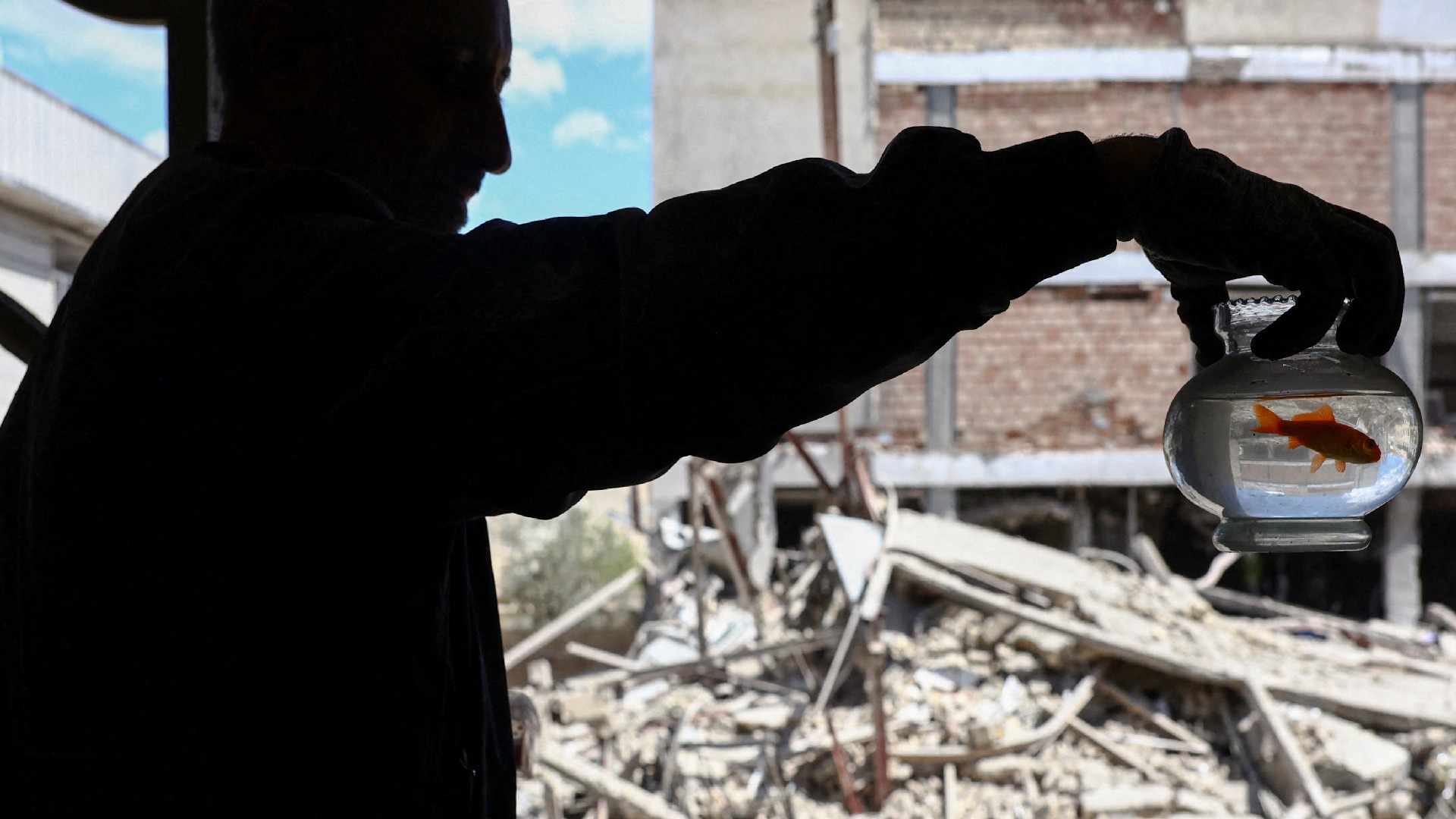
In recent hours, Iran launched several missiles towards Israeli territories, prompting the Israeli army to activate its air defense system. These attacks were observed at a critical time, as fears grow of a larger escalation in the ongoing conflict between the two parties. Images circulating on social media have shown the aftermath of the strikes, reflecting the level of tension in the region.
It is noteworthy that this is not the first time the region has witnessed military escalation between Iran and Israel, as there have been several previous confrontations. However, this latest wave comes at a time when international pressure on Iran is increasing due to its nuclear program.
Background & Context
Historically, relations between Iran and Israel have been extremely tense, with Israel viewing Iran as an existential threat. Recent years have seen a rise in tensions, especially following the United States' withdrawal from the nuclear agreement with Iran in 2018. This withdrawal led to increased sanctions on Iran, prompting it to bolster its nuclear program and ramp up military activities.
The conflict in Syria has also contributed to rising tensions between the two sides, as Iran supports Bashar al-Assad's regime while Israel seeks to prevent any Iranian forces from being near its borders. This complex regional conflict makes it difficult to reach a peaceful resolution.
Impact & Consequences
Analysts predict that these attacks could lead to a greater escalation in the conflict between Iran and Israel, potentially dragging the region into a full-scale military confrontation. Furthermore, the continuation of these tensions could negatively impact stability in neighboring countries such as Lebanon and Syria, where other regional powers might intervene in the conflict.
Moreover, military escalation could affect the regional economy, potentially leading to increased oil prices and deteriorating economic conditions in the countries affected by the conflict. There are also concerns that this escalation could lead to new waves of displacement and refugee crises in the region.
Regional Significance
Given the current situation, the escalation between Iran and Israel has direct implications for neighboring Arab countries. Nations such as Lebanon and Syria may find themselves at the heart of the conflict, complicating humanitarian and economic conditions in those countries. Additionally, this escalation could exacerbate sectarian divisions in the region, heightening tensions further.
In conclusion, the situation in the region remains tense, and the international community must take urgent steps to de-escalate and prevent the situation from erupting into a full-blown conflict. The continuation of these tensions threatens the security and stability of the entire region.