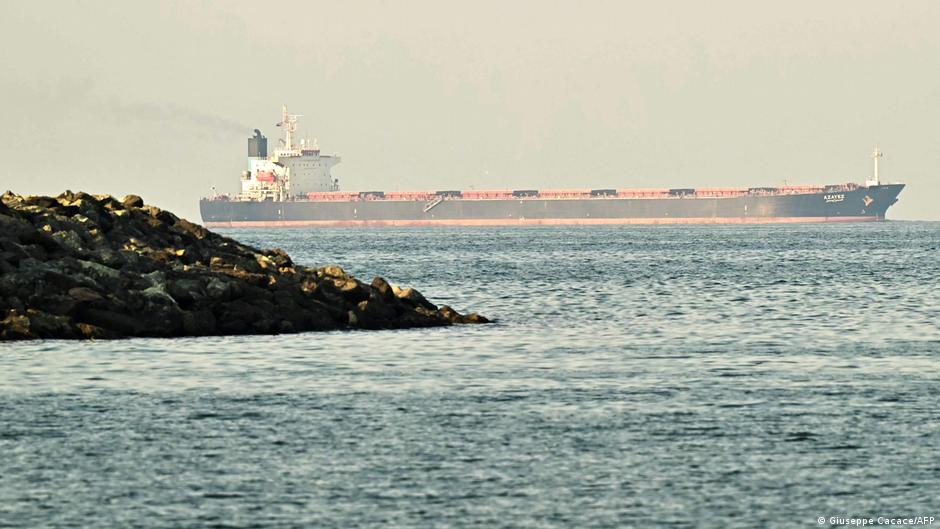
In a new development regarding the ongoing conflict in Iran, Iranian Foreign Minister Abbas Araghchi announced that his country is prepared to end the war and reopen the Strait of Hormuz if the United States lifts the sanctions imposed on it. These statements come at a sensitive time, as international pressure on Washington to negotiate with Tehran over its nuclear program is intensifying.
Araghchi was on a visit to Russia, where he met with President Vladimir Putin, who expressed his support for Iran, praising the courage of the Iranian people in defending their sovereignty. This visit is part of a broader diplomatic tour that includes Pakistan and Oman, with Pakistan playing a mediating role in the talks between the United States and Iran.
Details of the Proposal
The Iranian statements come at a time when relations between Tehran and Washington are extremely tense, with U.S. President Donald Trump expressing doubts about the seriousness of the Iranian proposal. According to media reports, Trump did not outright reject the plan but questioned the intentions of the Iranian leadership.
Meanwhile, U.S. Secretary of State Marco Rubio emphasized the necessity of not allowing Iran to delay negotiations regarding its nuclear program, stressing the importance of reaching a comprehensive agreement that prevents Tehran from developing nuclear weapons. Washington demands that Iran surrender enriched uranium and abandon any nuclear ambitions, while Tehran insists on its right to a civilian nuclear program.
Background & Context
Historically, relations between Iran and the United States have been marked by increasing tensions since the Islamic Revolution of 1979. The U.S. sanctions imposed on Iran for many years have exacerbated the economic and social conditions in the country, prompting the Iranian government to seek diplomatic solutions.
The Strait of Hormuz is a vital strategic point, through which about 20% of the world's oil passes. Any closure or tension in this area could significantly impact oil prices and global markets.
Impact & Consequences
If an agreement is reached between the United States and Iran, it could lead to a reduction in tensions in the region, positively reflecting on regional stability. However, any delay in negotiations could lead to a new escalation in the conflict, increasing security risks in the area.
The Iranian statements may provoke varied reactions from major countries, as some seek to support Iran in the face of U.S. pressures, while others may adopt more cautious stances.
Regional Significance
Developments in Iran directly affect neighboring Arab countries, as many of these nations strive to balance their relations with both Iran and the United States. Any escalation in the conflict could have negative repercussions on security and stability in the region, especially in countries like Iraq, Syria, and Lebanon.
In conclusion, the future of U.S.-Iranian relations hangs in the balance of the upcoming negotiations, with many hoping that these talks will lead to an end to the conflict and the achievement of peace in the region.