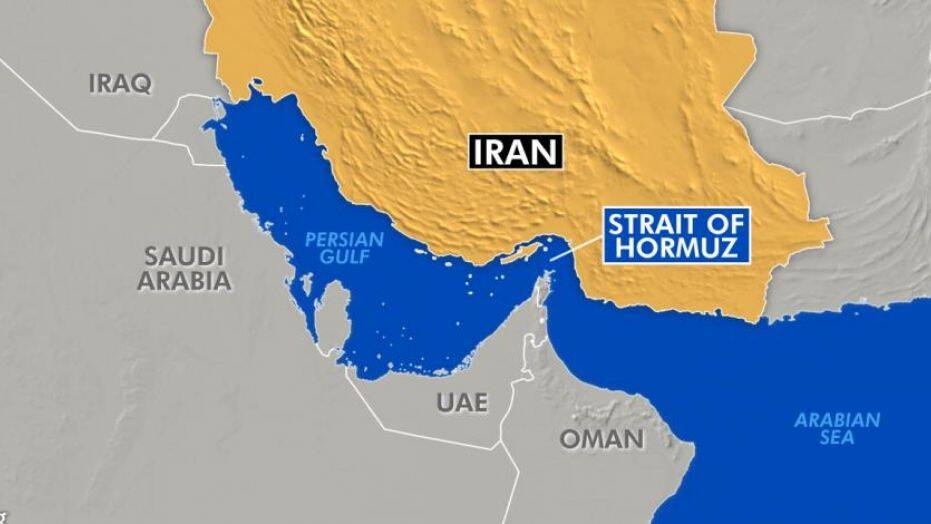
In a move reflecting regional cooperation, Iran and Oman have announced the preparation of a protocol to monitor shipping traffic in the Strait of Hormuz, one of the most important maritime passages in the world. Kazem Gharib Abadi, Iran's Deputy Minister for Legal and International Affairs, stated that this protocol aims to "coordinate and monitor" the movement of ships in this vital corridor.
Gharib Abadi clarified that this measure does not mean imposing restrictions on navigation but aims to facilitate the passage of vessels and provide better services to them, reflecting the commitment of both countries to enhance maritime security in the region.
Details of the Initiative
This step comes at a sensitive time, as the region is witnessing increasing tensions due to political and military conflicts. The Strait of Hormuz is a crucial transit point for about 20% of the world's oil, making it a focal point for major powers. The Iranian statement has triggered reactions in global markets, with oil prices rising following President Donald Trump's announcement of ongoing tensions with Iran.
Through this protocol, Iran and Oman seek to enhance cooperation between them, as Oman is considered a strategic partner for Iran in the region. This cooperation is expected to contribute to improving maritime security and building trust between the two countries.
Background & Context
Historically, the Strait of Hormuz has witnessed numerous crises, serving as a stage for several conflicts between regional and international powers. In recent years, tensions between Iran and the United States have escalated, impacting navigation in the area. Oman, which adopts a policy of neutrality, has attempted to play a mediating role in easing these tensions.
This initiative is part of Iran's efforts to strengthen its relations with its neighbors in the Gulf, as it seeks to improve its image in the international community and alleviate the economic pressures imposed on it.
Impact & Consequences
This protocol is expected to have a positive impact on shipping traffic in the Strait of Hormuz, as it will help reduce risks associated with military tensions. It may also contribute to stabilizing global oil prices, which are significantly affected by events in this region.
Moreover, this cooperation between Iran and Oman may encourage other countries in the region to take similar steps to enhance maritime security, contributing to regional stability.
Regional Significance
This step is significant for the Arab countries bordering the Gulf, as it could lead to improved relations between these countries and Iran. Enhancing security in the Strait of Hormuz will benefit all nations that rely on this passage for exporting their oil.
In conclusion, this cooperation between Iran and Oman represents a positive step towards enhancing maritime security in the Strait of Hormuz and reflects the importance of dialogue and cooperation among countries in facing common challenges.