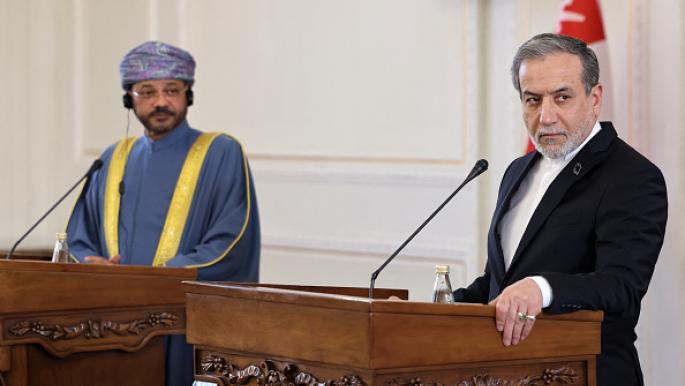
Iran and Oman held a significant meeting to discuss maritime security in the Strait of Hormuz, coinciding with rising regional tensions and American threats. The meeting reflects the importance of regional cooperation in facing security challenges that impact navigation in one of the world's most vital waterways.
The Strait of Hormuz is a strategic point through which approximately 20% of total global oil exports pass, making its security a focal point of international and regional concern. In this context, Iran and Oman are seeking to strengthen bilateral cooperation to ensure the safety of maritime navigation in the region, particularly in light of increasing threats from the United States.
Details of the Meeting
During the meeting, a range of issues related to maritime security were discussed, including coordination between Iranian and Omani naval forces. Both sides emphasized the necessity of enhancing joint cooperation to confront any threats that may affect navigation in the strait. They also addressed ways to promote dialogue among the countries bordering the strait to ensure regional stability.
This meeting comes at a critical time, as the deadline set by President Donald Trump for withdrawing from the Iranian nuclear agreement approaches, escalating tensions in the region. Iran has warned that it will take strict measures if any threats against it are executed, increasing the importance of this meeting.
Background & Context
Historically, the Strait of Hormuz has witnessed numerous crises and tensions, serving as a stage for various military and political conflicts. In recent years, tensions between Iran and the United States have escalated, especially following Washington's withdrawal from the nuclear agreement in 2018. This withdrawal led to the imposition of stringent economic sanctions on Iran, affecting regional stability.
Oman, which maintains good relations with both sides, plays a mediating role in many regional issues. It has always sought to enhance dialogue and understanding among competing nations in the region, making it an important partner in efforts to bolster security in the Strait of Hormuz.
Impact & Consequences
The Iranian-Omani meeting could significantly affect the security situation in the region. If both sides succeed in enhancing security cooperation, it may lead to reduced tensions in the strait and improved navigation conditions. Conversely, if American threats persist, it could escalate the situation and increase risks to navigation.
Additionally, this meeting may impact global oil prices, as any escalation in the region could lead to price increases due to concerns over supply disruptions. Therefore, the stability of the Strait of Hormuz is vital for the global economy.
Regional Significance
The Gulf Arab states, including Saudi Arabia and the UAE, are among the most affected by developments in the Strait of Hormuz. Any escalation in tensions could impact these countries' oil exports, negatively reflecting on their economies. Thus, cooperation between Iran and Oman may have a positive impact on regional stability.
In conclusion, the security of the Strait of Hormuz remains a central issue in regional and international politics. The Iranian-Omani meeting represents a step towards enhancing regional cooperation, which may contribute to greater stability in the area.