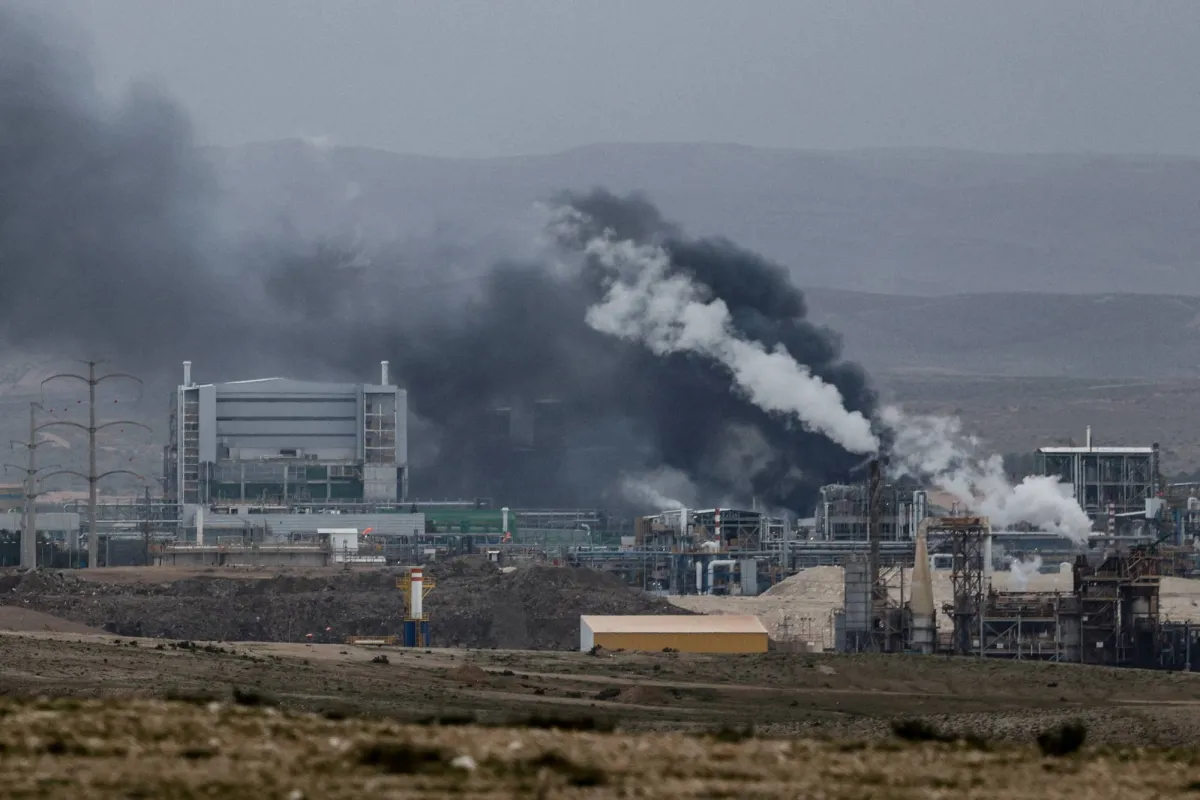
Iran is preparing for potential ground operations amid escalating official warnings of an imminent U.S. attack. Reports indicate that the United States is gearing up for weeks of military operations, reflecting a significant escalation in tensions between Tehran and Washington.
In this context, Iranian Parliament Speaker Mohammad Baqer Qalibaf confirmed that the U.S. is sending public negotiation messages while secretly planning a ground attack. He emphasized that Iranian forces are ready to respond to any U.S. intervention, asserting that Iran will not accept humiliation or surrender.
Details of the Event
The spokesperson for the Iranian General Staff Operations stated that the Iranian army is preparing to destroy U.S. forces if the threat of invasion is executed. He also noted that ground warfare is Iran's strong point, reflecting confidence in the armed forces' ability to face challenges. In this framework, Iran has launched a campaign to recruit volunteers under the name "Fedayeen," while enhancing checkpoints and increasing security deployments in several cities.
On the other hand, the Washington Post reported that the Pentagon is preparing for limited ground operations that may include raids by special forces and infantry units, focusing on scenarios related to Kharq Island and coastal areas near the Strait of Hormuz. These movements come at a time when Tehran is suffering from heavy bombardment, with power outages reported in parts of the capital and its suburbs due to damage to an electrical facility.
Background & Context
These developments come at a time when Iran has witnessed military escalation from Israel, which has carried out over 140 strikes on missile and defense sites in central and western Iran. The international spokesperson for the Israeli army confirmed that Israel is just days away from completing strikes on all of its top-priority targets in Iran, further intensifying regional tensions.
Simultaneously, a chemical plant in southern Israel was hit by a missile attack, prompting Israeli authorities to issue warnings to residents to stay away from the area due to the presence of hazardous materials. The Kuwait Electricity Ministry also announced that a power generation station was struck by an Iranian attack, resulting in the death of an Indian worker and damage to the building.
Impact & Consequences
Concerns are growing that these escalations could lead to a larger escalation in the region, as Iran receives support from its allies while facing pressure from the U.S. and its allies. These conditions have led to communications between leaders of regional countries, with Saudi Crown Prince Mohammed bin Salman receiving calls from leaders of countries such as Spain, Mauritania, and Uzbekistan, where the implications of the escalation on regional and international security were discussed.
The Canadian Foreign Minister also expressed her country's support for the Gulf Cooperation Council states in facing Iranian aggressions, reflecting growing international concern about the situation in the region. The Secretary-General of the Gulf Cooperation Council emphasized the need to stop these aggressions that violate the sovereignty of Gulf states.
Regional Significance
These developments are indicative of rising tensions in the Gulf region, where fears of a large-scale military conflict are increasing. Any military escalation could significantly impact security and stability in the region, negatively affecting the global economy, especially in the fields of energy and trade.
In conclusion, the situation in the region remains tense, with ongoing warnings of military escalation that could have serious implications for regional and international security. The current situation requires all parties to exercise wisdom and restraint to avoid slipping into open conflict.