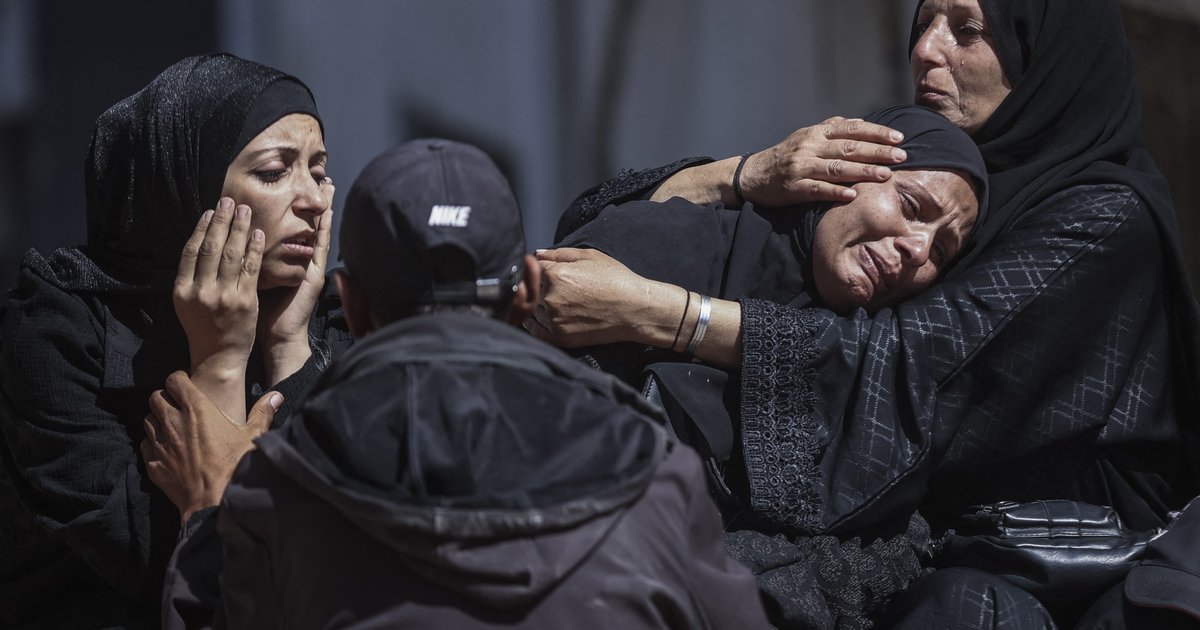
Israeli forces have issued deportation threats to residents of Ain Qana in Nabatieh, ordering them to stay at least 1000 meters away from the area. Concurrently, Israeli forces targeted the town of Ma'roub in Tyre, raising concerns among local residents about the rising tensions in the region.
These events occur amidst ongoing political and economic tensions in Lebanon, heightening fears among the population. The National News Agency of Lebanon reported that the Israeli bombardment on Ma'roub resulted in material damage, but there were no reports of injuries.
Details of the Incident
The Israeli deportation threats are part of a strategy to pressure civilian populations in border areas, as Israel seeks to secure its borders from potential threats. These threats have been issued during a sensitive period, as Lebanon faces multiple internal challenges, including economic and political crises.
On the other hand, the bombardment of Ma'roub represents a new military escalation in a series of attacks targeting various areas in southern Lebanon. These military operations raise concerns within the international community, which calls for restraint and avoidance of military escalation.
Background & Context
Historically, the Lebanese-Israeli border has witnessed numerous armed conflicts, with the region being a stage for various struggles over the decades. Since the withdrawal of Israeli forces from Lebanon in 2000, the border has remained a zone of constant tension, with clashes recurring between Israeli forces and Hezbollah.
In recent years, tensions have notably increased, especially following the escalation of Israeli military activities in the region, often justified as necessary to counter threats from Hezbollah. These dynamics make it difficult for civilians to live in peace, as they suffer significant harm due to these military operations.
Impact & Consequences
The military escalation in southern Lebanon raises fears of a larger conflict that could affect the stability of the entire region. Amid the economic and political crises plaguing Lebanon, any military escalation could exacerbate humanitarian conditions and increase the suffering of civilian populations.
Moreover, the Israeli threats of deportation could lead to mass displacement of residents, creating a new humanitarian crisis in a region already under pressure. The international community is urged to intervene to halt these violations and protect civilians.
Regional Significance
The repercussions of these events extend beyond Lebanese borders, affecting relations between Arab states and Israel. The rising tensions in Lebanon may reopen discussions about regional security and deepen divisions among Arab countries.
Additionally, the situation in Lebanon raises concerns among neighboring countries, which fear the implications of any potential conflict on their stability. While some Arab nations seek to improve relations with Israel, the military escalation in Lebanon could reverse progress and heighten tensions in the region.
In conclusion, the situation in Lebanon remains under close observation, with all parties hoping for a de-escalation and avoidance of further conflict. It is essential for the international community to work towards finding lasting solutions to the crises in the region to ensure enduring peace and sustainable stability.