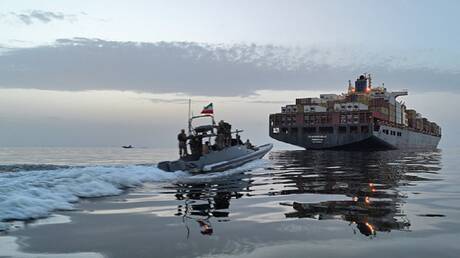
Iran has submitted a new proposal to the United States that includes reopening the Strait of Hormuz and ending the ongoing war, while postponing nuclear negotiations. This proposal reflects Tehran's desire to improve relations with Washington and reduce tensions in the region.
This step coincides with increasing economic pressures on Iran due to imposed sanctions, prompting the country to seek diplomatic solutions. It appears that Tehran is aiming to achieve strategic gains by presenting this proposal, which could pave the way for broader dialogue with the United States.
Details of the Proposal
The details of the Iranian proposal include reopening the Strait of Hormuz, a vital artery for maritime navigation through which approximately 20% of the world's oil passes. The proposal also encompasses ending the war in the region, which could contribute to achieving stability in the Arabian Gulf.
On the other hand, this proposal comes amid the postponement of nuclear negotiations, which have been a major point of contention between Iran and the United States. This shift in Iran's stance indicates a willingness to negotiate on other potentially more pressing issues.
Background & Context
Historically, relations between Iran and the United States have been fraught with increasing tensions since the Islamic Revolution in 1979. The economic sanctions imposed by Washington on Tehran have had a significant impact on the Iranian economy, leading to a deterioration of living conditions.
In recent years, Iran has attempted to strengthen its relations with other countries in the region, such as Russia and China, as a means to counter Western pressures. However, presenting a new proposal to the United States may be viewed as a strategic step aimed at rebuilding trust.
Impact & Consequences
If the Iranian proposal is accepted, it could lead to significant changes in regional dynamics. Reopening the Strait of Hormuz could contribute to stabilizing global oil prices, benefiting oil-dependent economies.
Additionally, ending the war in the region could open the door for new diplomatic initiatives and enhance the prospects for achieving peace. However, the question remains regarding the United States' willingness to accept this proposal and how it might affect its stance on nuclear negotiations.
Regional Significance
These developments are of great importance to Arab countries, as regional stability is closely linked to the relations between Iran and the United States. Any improvement in these relations could help reduce tensions between Iran and Arab states, particularly those currently experiencing conflicts.
At the same time, Arab nations must closely monitor these developments, as any changes in Iranian policy could impact their security and economic strategies.
The new Iranian proposal represents a potential opportunity for improving relations with the United States, but its success depends on Washington's response and its willingness to engage in serious dialogue.