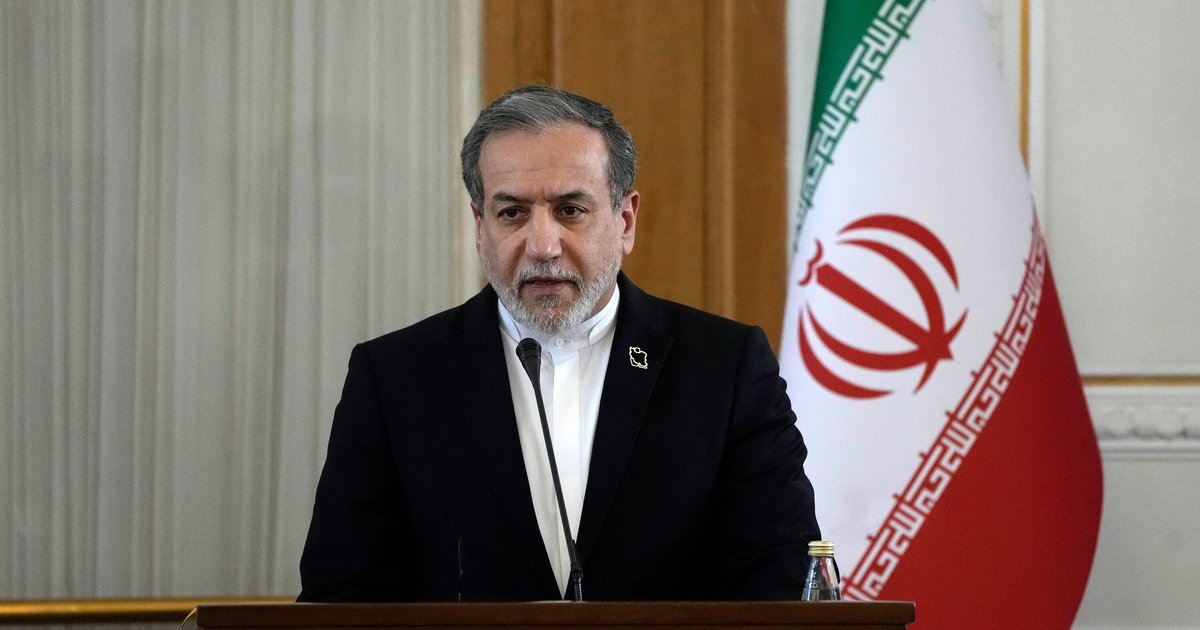
In a provocative move, Iran has responded to former U.S. President Donald Trump's statements just before the Geneva talks on its nuclear program. These developments come at a critical time as the international community seeks a comprehensive agreement to prevent nuclear proliferation.
Iran's Foreign Minister, Hossein Amir-Abdollahian, stated that the country will not back down from its nuclear rights, indicating that U.S. pressures will not affect Iran's position. These remarks come amid escalating tensions between Tehran and Washington, especially following Trump's withdrawal from the nuclear agreement in 2018.
Details of the Event
Iran is preparing to participate in the Geneva talks aimed at reviving the nuclear agreement reached in 2015. This agreement, which seeks to limit Iranian nuclear activities in exchange for sanctions relief, is a central focus of international policy. However, the negotiations face significant challenges, particularly as Iran continues to develop its nuclear program.
At the same time, Trump warned that Iran might seek to acquire nuclear weapons, further heightening tensions. He noted that the previous U.S. administration had exerted significant pressure on Iran and that the current administration should adopt a similar approach. However, Iran rejects these pressures and emphasizes its right to develop its nuclear program for peaceful purposes.
Background & Context
Historically, relations between Iran and the United States have been tense since the Islamic Revolution in 1979. These relations have seen numerous fluctuations, including the imposition of strict economic sanctions on Iran due to its nuclear program. In 2015, the nuclear agreement was reached, which halted some of Iran's nuclear activities, but Trump's withdrawal from the agreement in 2018 led to a resurgence of tensions.
Iran is now seeking to restore the nuclear agreement and alleviate the sanctions imposed on it, but it faces resistance from the United States and its allies. Tehran has shown its willingness to return to negotiations but insists on the necessity of respecting its sovereign rights.
Impact & Consequences
The Geneva talks represent a critical opportunity to rebuild trust between Iran and the international community. If an agreement is reached, it could lead to sanctions relief and an improvement in Iran's economic situation. However, if negotiations fail, tensions may escalate further, threatening regional and international security.
These developments could also impact oil prices and global financial markets, as regional stability is vital for the global economy. Should Iran continue to develop its nuclear program, concerns about the outbreak of military conflict in the region may increase.
Regional Significance
These developments directly affect Arab countries, especially those sharing borders with Iran. The tensions between Iran and the United States could lead to escalated conflicts in the region, threatening the security and stability of countries like Iraq, Syria, and Lebanon.
Arab nations are also seeking to strengthen their relations with the United States to ensure their security, making them closely monitor the outcomes of these negotiations. If an agreement is reached, it could improve relations between Iran and Arab countries, but if negotiations fail, fears of escalating conflicts may rise.