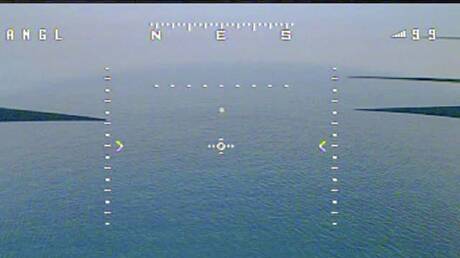
Iran's ambassador in Cairo, Mojtaba Ferdowsi Pour, announced that Iran has prepared a list of ships associated with US and Israeli interests as potential targets for attacks. This declaration comes at a time when tensions are escalating between Iran and the United States, as well as Israel, raising concerns about military escalation in the region.
This move is considered part of Iran's strategy to confront what it perceives as threats from the United States and its allies. Ferdowsi Pour indicated that these ships represent vital interests for the US and Israel, making them legitimate targets in the event of military escalation.
Details of the Announcement
In statements made during a press conference, the Iranian ambassador clarified that the list includes a range of commercial and military ships that Iran believes are linked to US and Israeli interests. He emphasized that this step is part of defending national sovereignty and protecting Iranian interests in regional waters.
He also noted that Iran is closely monitoring maritime activities in the region and will take necessary measures to protect its interests. This announcement follows a series of maritime incidents in the area, which have heightened tensions between Iran and the West.
Background & Context
Historically, relations between Iran and the United States have seen increasing tensions since the Islamic Revolution in 1979. Economic sanctions and military pressures have exacerbated the situation, leading Iran to adopt more aggressive policies towards US interests in the region.
In recent years, Iranian military activities in the Arabian Gulf have intensified, with Iran conducting several operations targeting commercial ships flying the flags of the United States or its allies. These operations reflect Iran's strategy of using naval power as a means to pressure its adversaries.
Impact & Consequences
This move may lead to an escalation of tensions in the region, as the United States and its allies could respond by increasing their military presence in the Gulf. Such escalation could threaten maritime security and negatively impact global trade, especially given the current economic conditions.
Moreover, these developments could heighten the conflict in the region, adversely affecting regional stability. Any military escalation could have severe humanitarian repercussions for civilians in neighboring countries.
Regional Significance
Arab countries in the Arabian Gulf are among the most affected by the rising tensions between Iran and the United States. Increased military activity in the region could destabilize countries such as Saudi Arabia and the UAE, which rely on maritime navigation as a crucial part of their economies.
These developments may also impact relations between Arab states and Iran, as some countries may be compelled to reassess their policies towards Tehran in light of the escalating threats. It is essential for Arab nations to stay in contact with major powers to avoid any unwanted escalation.
In conclusion, these events highlight the importance of diplomatic dialogue as a means to ease tensions, as military escalation will only exacerbate the situation in the region. All parties must seek peaceful solutions to current conflicts.