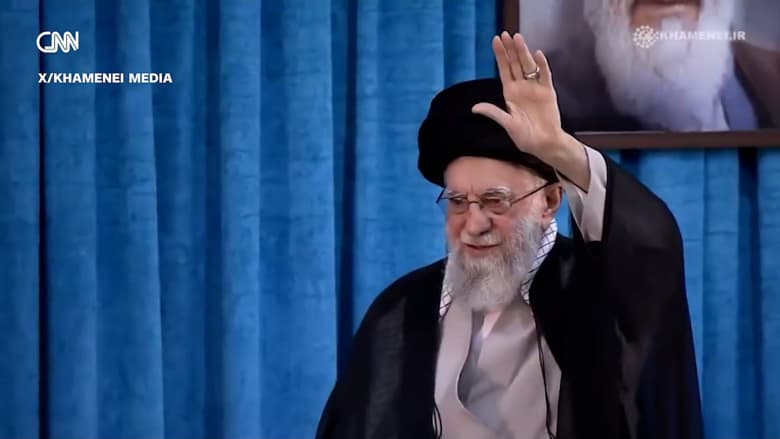
Iran's Foreign Minister, Hossein Amir-Abdollahian, has confirmed to U.S. envoy Steve Wietkoff that Tehran has received approval and blessing from Supreme Leader Mojtaba Khamenei to quickly end the war. These statements come at a sensitive time when the region is experiencing increasing tensions, prompting questions about the future of Iranian-American relations.
The Iranian move indicates Tehran's desire to conclude the ongoing conflict, which could have significant implications for the regional and international landscape. Amid the multiple crises plaguing the region, it appears that Iran is seeking to improve its image and bolster its diplomatic position.
Details of the Event
In his conversation with Wietkoff, the Iranian Foreign Minister clarified that gaining Khamenei's support is a crucial step in the process of ending the war. This approval reflects an internal consensus within the Iranian leadership on the necessity of concluding the conflict, which may facilitate reaching new agreements with major powers.
These statements come at a time when international pressure on Iran is mounting, particularly concerning its nuclear program and regional behavior. Ending the war may be a step towards alleviating this pressure, providing Tehran with an opportunity to rebuild its relationships with the international community.
Background & Context
Historically, Iran has been a key player in regional conflicts, supporting various armed groups in countries such as Iraq, Syria, and Lebanon. However, the current situation requires Tehran to reassess its strategies, especially in light of the political changes in the region.
In recent years, Iranian-American relations have experienced significant fluctuations, with multiple attempts to reach a nuclear agreement, yet these efforts often faced obstacles. Khamenei's approval to end the war may indicate a willingness to change this dynamic.
Impact & Consequences
Ending the war could lead to relative stability in the region, potentially opening the door for new diplomatic initiatives. This step may also affect Iran's relationships with its allies, as some may worry that ending the conflict could weaken their position.
Furthermore, these developments could impact oil prices and financial markets, as stability in the region is often linked to increased foreign investments. Major powers are likely to monitor these developments closely, as any change in the situation could affect their interests in the region.
Regional Significance
For Arab countries, ending the war could have positive implications, potentially leading to reduced tensions in the region. However, there are concerns that Iran may exploit this stability to enhance its influence in neighboring countries.
Arab nations must be cautious in dealing with these developments, as any Iranian moves could affect the balance of power in the region. It is crucial for Arab countries to remain united and work on strengthening their internal stability to face any future challenges.
In conclusion, Khamenei's approval to end the war represents a potential turning point in Iranian policy, which could have far-reaching effects on the region. The international community must closely monitor these developments, as any changes may impact regional security and stability.