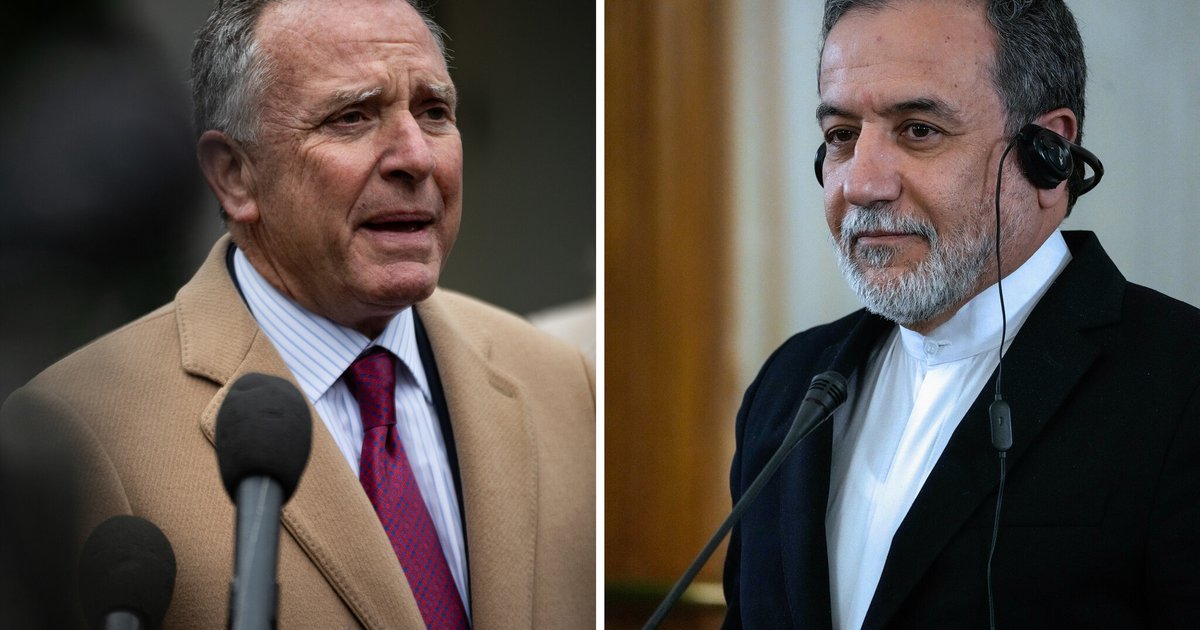
Iranian President Masoud Bezhakian announced on Tuesday that Iran has a strong will to end the ongoing war with Israel and the United States, which has entered its fifth week. Bezhakian confirmed that Tehran is seeking peace, but it requires sufficient guarantees to prevent future aggression.
During a phone call with European Council President Antonio Costa, Bezhakian indicated that Iran is ready to discuss ending hostilities, but this requires the availability of essential conditions, especially guarantees that ensure no repeat of attacks. These statements come at a sensitive time when the region is witnessing increasing tensions.
Details of the Situation
Iran is striving to clarify its position regarding the ongoing conflict, as clashes between Iranian and Israeli forces have intensified in recent weeks. These clashes have led to significant military escalation, affecting the regional situation as a whole. Bezhakian, who is in office during a critical time, faces both internal and external challenges that require him to make strategic decisions.
In his conversation with Costa, Bezhakian emphasized that Iran does not seek war but desires stability in the region. However, the lack of sufficient guarantees makes Tehran cautious in its next steps. These remarks reflect Iran's willingness to negotiate, while simultaneously showing its concern about the recurrence of past attacks.
Background & Context
Historically, Iranian-Israeli relations have been marked by increasing tensions, with Iran considering Israel a major adversary in the region. For decades, the two countries have exchanged accusations and conducted military operations against each other. In recent years, these tensions have notably escalated, especially following the United States' withdrawal from the Iranian nuclear deal in 2018, which intensified the situation between Tehran and Washington.
Iran views the presence of American forces in the region as a threat to its national security, while the United States and its allies perceive Iranian activities in the Middle East as a threat to regional stability. This complex conflict requires a diplomatic solution, which Iran is seeking through the provision of guarantees.
Impact & Consequences
If Iran can obtain the guarantees it seeks, this could lead to a de-escalation of tensions in the region. However, ongoing instability may lead to greater military escalation, affecting both regional and global security. Any new escalation could draw in other countries into the conflict, complicating the situation further.
The economic and social impacts of this conflict could be significant, as Iran suffers from crippling economic sanctions that affect daily life. The continuation or escalation of the war could exacerbate humanitarian conditions in the region, necessitating urgent international response.
Regional Significance
Neighboring Arab countries to Iran and Israel find themselves in a precarious position, as any new escalations could affect their security and stability. The ongoing conflict may lead to an influx of refugees and increased sectarian tensions, threatening stability in the region. Arab countries need to closely monitor the situation and coordinate with each other to avoid any negative repercussions.
In conclusion, the future of Iranian-Israeli relations remains unclear, but Bezhakian's statements reflect Iran's desire to seek peaceful solutions. Achieving peace requires ongoing diplomatic efforts and effective guarantees to protect the interests of all parties involved.