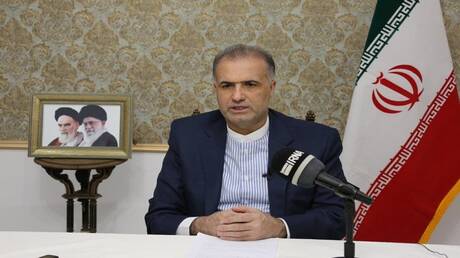
Iran's ambassador to Moscow, Kazem Jalali, confirmed that the Strait of Hormuz, one of the world's most vital waterways, will remain open to international navigation. However, Jalali clarified that this opening will be conditional upon new terms set exclusively by Iranian and Omani authorities.
These statements come at a sensitive time as the region experiences increasing tensions, with the Strait of Hormuz being a crucial passage for oil and natural gas, through which a large number of commercial vessels pass daily. This announcement reflects Iran's desire to assert its sovereignty over this strategic corridor.
Details of the Announcement
Jalali made these remarks during a press conference in Moscow, where he indicated that Iran and Oman will work together to establish the new rules governing navigation in the strait. He emphasized that these rules aim to ensure the safety of navigation and protect the national interests of both countries.
He also added that Iran hopes to enhance cooperation with Oman in this area, noting that relations between the two countries have seen significant growth in recent years. Maritime navigation cooperation is considered part of this increasing collaboration.
Background & Context
The Strait of Hormuz is a vital transit point for oil, with approximately 20% of the world's total oil exports passing through it. In recent years, the strait has witnessed numerous incidents and military tensions, prompting some countries to express concerns about navigation security.
Historically, Iran has adopted a strict policy regarding navigation in the strait, viewing any threat to its security as justification for military action. However, it seems that Tehran is now seeking to adopt a more cooperative approach with its neighbors, particularly with Oman, which plays an important role in promoting stability in the region.
Impact & Consequences
The new conditions set by Iran and Oman could have significant implications for global trade movements. If these conditions are effectively implemented, they may contribute to reducing tensions in the region and enhancing maritime security.
However, any changes to navigation policy could provoke reactions from other countries, especially those relying on the Strait of Hormuz for their oil exports. Therefore, observers are keenly watching how the international community will respond to these developments.
Regional Significance
These statements are particularly significant for Arab countries that depend on the Strait of Hormuz for their oil exports. Any changes in navigation policy could directly impact the economies of these nations, necessitating close monitoring of the situation.
Ultimately, the question remains open regarding how these new conditions will affect regional and international relations, and whether they will contribute to enhancing stability or exacerbate tensions.