Iran has declared a radical shift in its military strategy towards Israel, transitioning from a policy of 'strategic patience' to immediate retaliation after launching intensive missile strikes on Israeli targets late Sunday night.
In an analysis, Iranian expert Hassan Ahmadian emphasized that these strikes signify the end of the 'strategic patience' phase, noting that Tehran has replaced its previous policy, which relied on 'strategic proportionality,' with immediate responses within minutes. He explained that this new strategy aims to recalibrate the timing of Israeli strikes according to an Iranian timeline, reflecting a significant change in the military equation in the region.
Details of the Recent Attacks
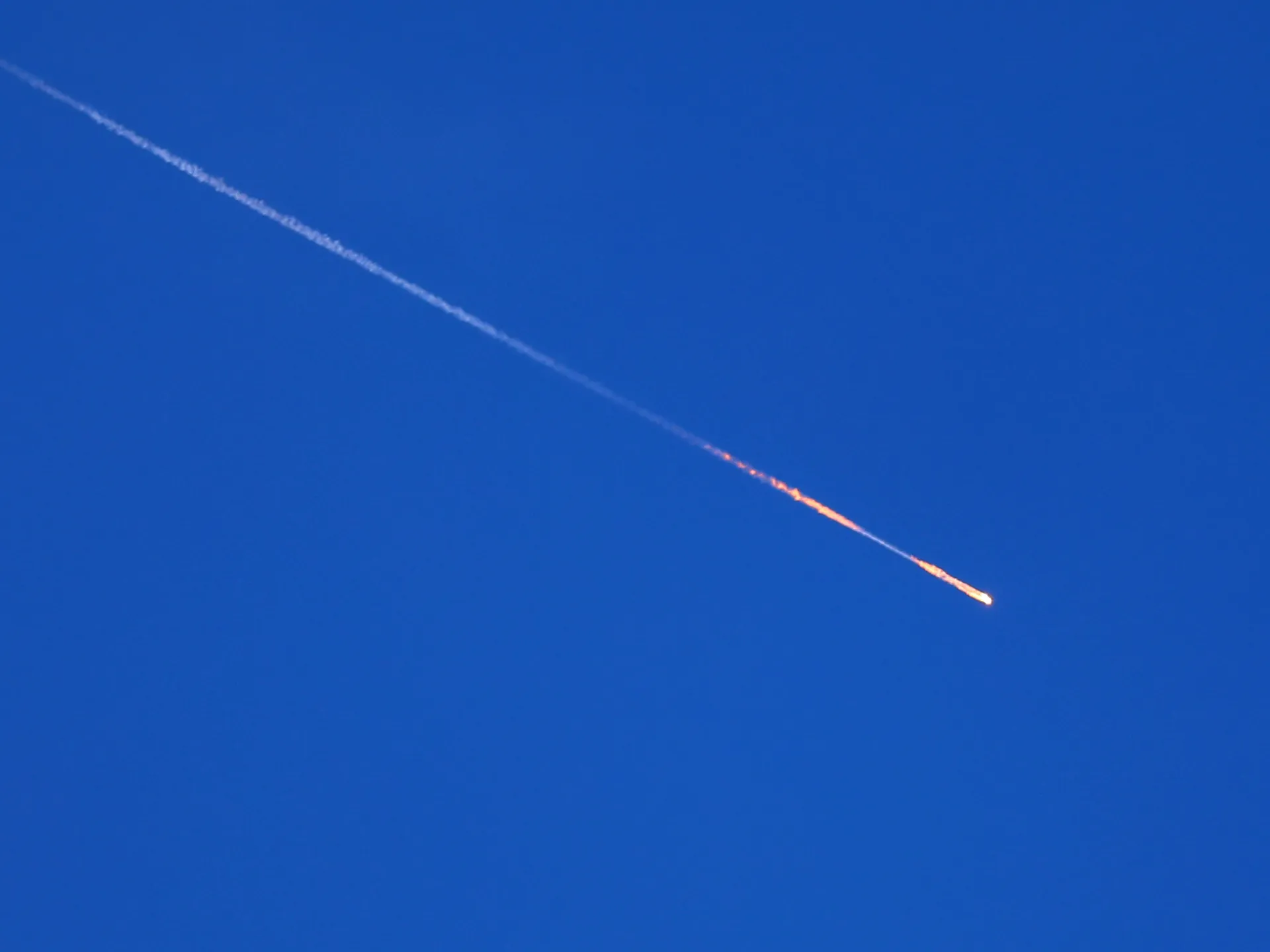
The Iranian military launched approximately 10 ballistic missiles in its latest wave towards central and southern Israel, targeting various areas from the Negev to the Galilee. Ahmadian confirmed that the Israeli army's decision to prohibit the publication of images showing the missile impact sites reflects Iran's success in hitting vital targets, countering American claims of no casualties.
These attacks followed previous threats from the commander of the Quds Force, who stated that Iran would launch 'devastating attacks' on Israel and its supporters if operations expanded in Lebanon. In response to the Iranian strikes, the Israeli army conducted attacks on several sites in Iran, targeting air defense and drone facilities.
Background & Context
These developments come at a sensitive time as tensions between Iran and Israel escalate, particularly following the intensification of military operations in the region. U.S. President Donald Trump has indicated that the mutual attacks could disrupt the diplomatic agreement process between Washington and Tehran, warning that the situation could explode at any moment.
On the other hand, Mokhtar Haddad, editor-in-chief of the Iranian newspaper Vafaq, suggested that the Israeli attacks were coordinated with the U.S. administration, describing this coordination as a 'media play' aimed at concealing the green light given to Tel Aviv.
Impact & Consequences
These events demonstrate that Iran is now more prepared to challenge American power in the region, as international conflict professor Ibrahim Fraihat noted that the Iranian missile attack represents a setback for Israeli efforts to impose new rules of engagement. He explained that Iran deliberately targeted deep into Israeli territory, sending a clear message that the northern front would not be isolated from any targeting.
Fraihat also pointed out that Iran's military initiative to launch direct attacks without prior warnings reflects that American power in the region is no longer absolute, and Iran has surpassed the potential for a violent American response.
Regional Significance
These developments signal a rise in tensions in the region and could significantly impact the trajectory of relations between Arab states and Iran. With increasing military pressures, Arab countries may find themselves facing new challenges that require advanced diplomatic and military strategies.
In conclusion, this shift in Iranian strategy represents a turning point in the regional conflict, necessitating close monitoring by all concerned parties.