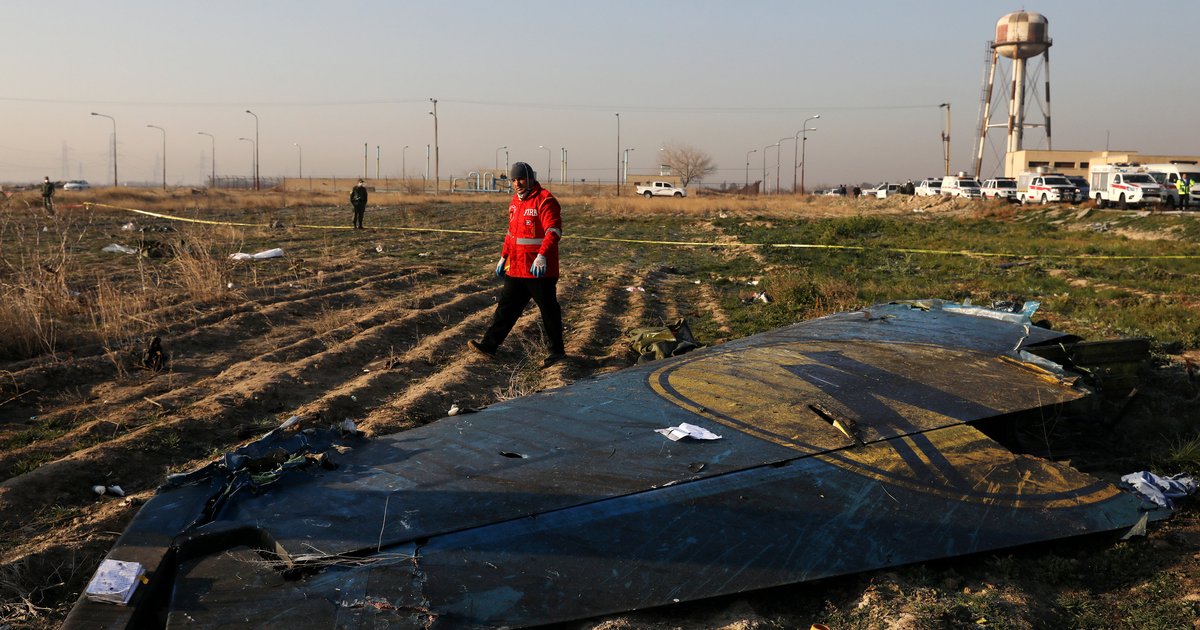
On Friday, Iran shot down two fighter jets belonging to the U.S. Air Force, one being an F-15 and the other an A-10, in two separate incidents. This event comes at a sensitive time as U.S. forces have lost one of their pilots, while the fate of the second pilot remains unknown.
The loss of fighter aircraft in modern warfare is a strategic drain that transcends military dimensions, affecting war operations and placing immense pressure on defense budgets. The costs of compensating for the aircraft and their advanced systems pose a significant challenge for the United States, making these incidents a painful blow to American forces.
Details of the Incident
The cost of an F-15E Strike Eagle exceeds $31 million, according to U.S. Air Force data, while the cost of the A-10 attack aircraft, known as the Warthog, reaches $9.8 million. These figures represent fixed prices from 1998, meaning current values would be much higher.
The F-15, introduced in the 1980s, was designed for air-to-air and air-to-ground missions, while the A-10 is the first aircraft in the U.S. Air Force specifically designed for close air support, capable of striking tanks and armored vehicles.
Background & Context
Since the onset of the American-Israeli war against Iran on February 28, a total of 365 American soldiers have been injured, including 247 from ground forces, 63 from the Navy, 19 from the Marine Corps, and 36 from the Air Force. Meanwhile, the number of American soldiers killed in the war remains at 13.
These incidents are part of escalating military tensions in the region, as each side seeks to bolster its military strength. Reports indicate that over 75% of injuries among U.S. military personnel are related to traumatic brain injuries, complicating the health situation for soldiers.
Impact & Consequences
Concerns are growing that these incidents may lead to a larger escalation in the conflict, potentially affecting regional stability. Additionally, the loss of advanced aircraft such as the F-15 and A-10 may weaken the United States' ability to conduct military operations efficiently.
Furthermore, these losses could impact the reputation of American weaponry globally, as these aircraft are considered symbols of U.S. air sovereignty. The costs of compensation may also affect the U.S. defense budget, raising questions about military sustainability amid these challenges.
Regional Significance
These events serve as an indicator of rising tensions in the region, potentially leading to reactions from neighboring countries. The impact of these incidents may extend to the relationships between the United States and Arab nations, as these countries closely monitor developments in the conflict.
In conclusion, these incidents remain a reminder of the complexity of military conflicts in the region and the importance of diplomacy in avoiding escalation.