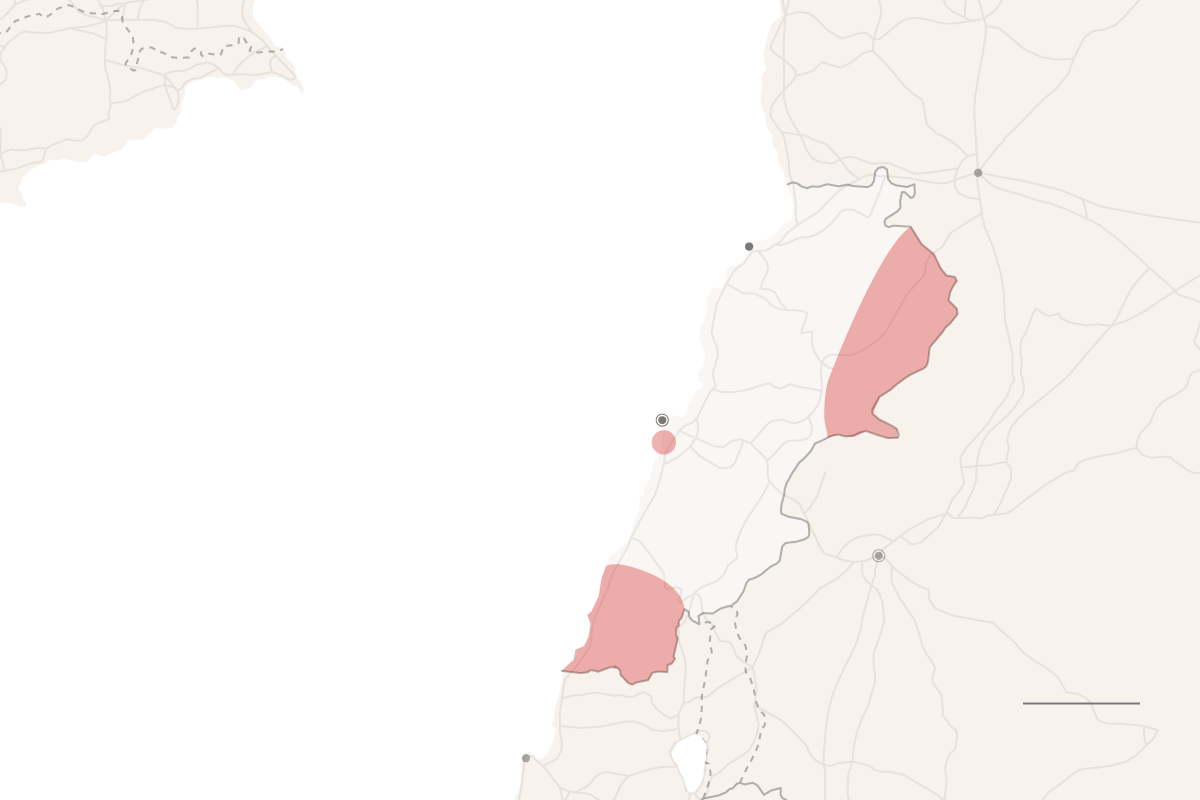
The Iranian armed forces have declared their support for the resistance axis in Lebanon, Palestine, Yemen, and Iraq, reaffirming their steadfast commitment to confronting the challenges facing these regions. These statements come at a sensitive time as tensions in the area escalate.
Iran is considered one of the main supporters of armed groups in these countries, seeking to bolster its regional influence through military and financial assistance. Iranian officials have stated that this support is part of their strategy to counter external pressures, particularly from the United States and its allies.
Details of the Announcement
During a press conference, the commander of the Iranian armed forces stated that supporting the resistance axis is a key component of Iran's strategy to address security challenges. He emphasized that Iran will continue to provide support to groups resisting occupation and oppression in the region, reflecting Tehran's commitment to its revolutionary principles.
It was also highlighted that this support is not solely military; it includes political and media assistance, which strengthens the position of these groups as they face various challenges.
Background & Context
Historically, Iran has been a major supporter of armed groups in the region, such as Hezbollah in Lebanon and Hamas in Palestine. This support has enhanced the capabilities of these groups, allowing them to play a pivotal role in regional conflicts.
These statements coincide with rising tensions in the Middle East, where attacks on American forces in Iraq and Syria have increased, reflecting a surge in Iranian activity in the region.
Impact & Consequences
These statements are expected to heighten tensions between Iran and Western countries, particularly the United States. They may also affect Iran's relations with Arab states, as some countries express concern over Iran's growing influence in the region.
Additionally, these actions could strengthen cooperation among Iranian-backed armed groups, potentially altering the balance of power in the region and escalating conflicts.
Regional Significance
These statements serve as an indicator of the ongoing conflict in the region, as Iran seeks to enhance its influence in the face of external pressures. This support could lead to an escalation of conflicts in Lebanon, Palestine, and Yemen, negatively impacting regional stability.
In conclusion, developments in this context remain of significant interest to observers, as they indicate the continuation of conflicts and tensions in the region, necessitating an effective international response to address these challenges.