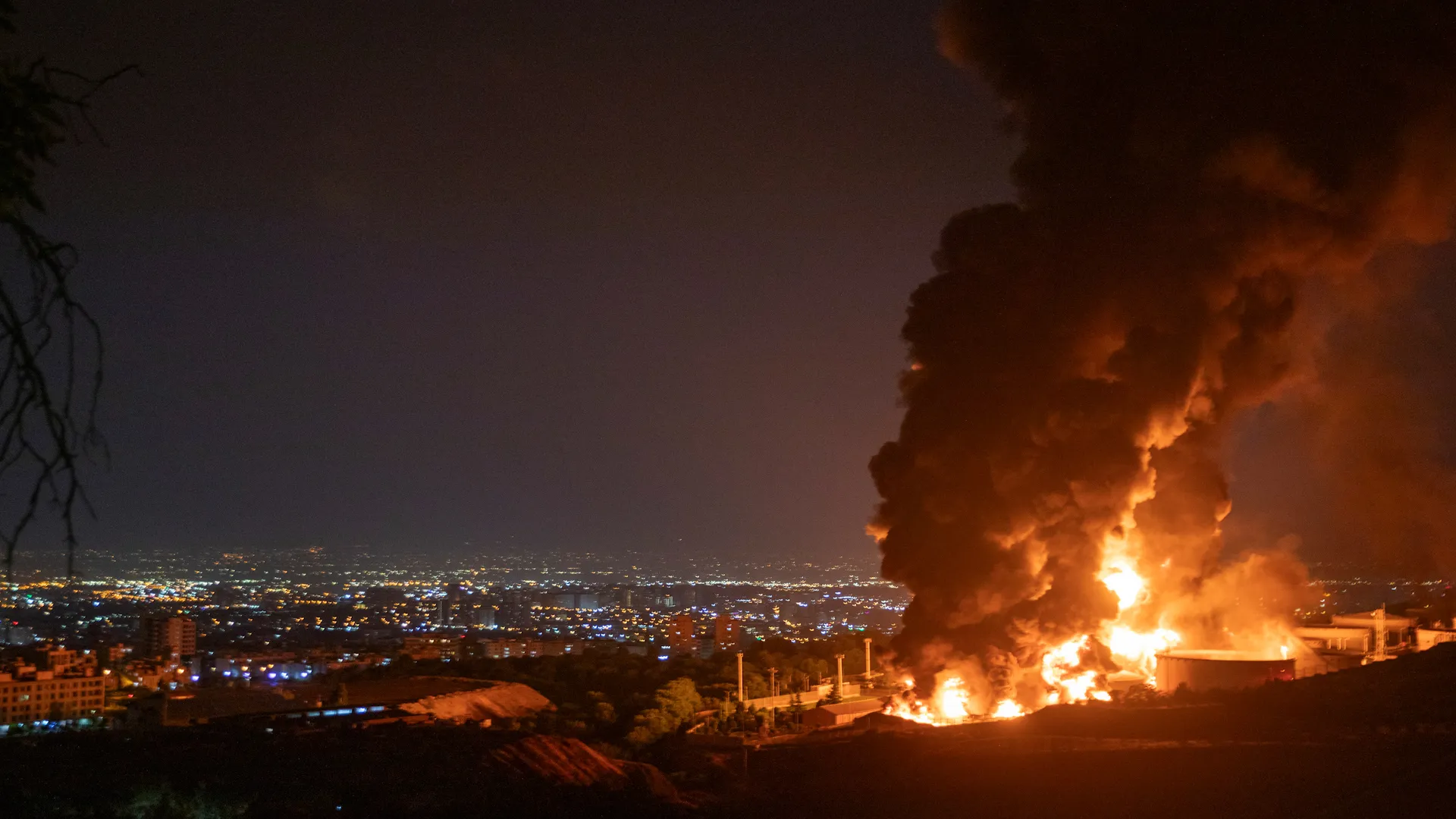
Iranian forces launched attacks on two shelters believed to house hundreds of American soldiers, resulting in casualties. Ambulances are working to transport victims from the attack sites, marking a new escalation in tensions between Iran and the United States.
The attacks come at a sensitive time, as fears of escalating conflict in the region are growing. Iranian forces, considered among the most heavily armed in the Middle East, are demonstrating their capability to conduct complex military operations against American troops, raising significant concerns within military and political circles.
Details of the Incident
According to local sources, the attacks targeted two shelters located in an area believed to contain American forces. The strikes resulted in the deaths of several soldiers, although precise figures remain unconfirmed. Ambulances rushed to the scene to transport the injured and deceased, reflecting the magnitude of the disaster that occurred.
These attacks are part of Iran's strategy to bolster its military presence in the region, particularly following heightened tensions with the United States. Iranian sources have confirmed that these operations are a response to what they describe as American interventions in regional affairs.
Background & Context
Historically, relations between Iran and the United States have seen increasing tensions since the Islamic Revolution in 1979. Since then, there have been several military confrontations, including attacks on American forces in Iraq and Syria. Iran views the presence of American troops in the region as a threat to its national security and is working to strengthen its allies in the area to counter this threat.
In recent years, Iran has intensified its military activities, including the development of its nuclear program, raising concerns within the international community. The recent attacks reflect an escalation in these activities, which could provoke military responses from the United States and its allies.
Impact & Consequences
The attacks on American forces could lead to a greater escalation in the conflict between Iran and the United States, increasing the likelihood of an all-out war in the region. This escalation could affect regional and global security, especially given the significant economic and political interests in the area.
The United States is expected to respond to these attacks, potentially leading to a series of reciprocal military operations. This escalation could negatively impact global markets, particularly in the oil and energy sectors, as the region is a major source of supplies.
Regional Significance
The impact of these attacks will not be limited to Iran and the United States but will also encompass neighboring Arab countries. Many Arab nations fear that rising tensions could lead to military confrontations, destabilizing the region.
Furthermore, these events may reopen discussions about the role of regional powers in conflicts, specifically Iran's support for armed groups in Arab nations. This situation could exacerbate sectarian and political divisions in the region and affect peace and stability efforts.
In conclusion, the Iranian attacks on American forces represent a new turning point in the ongoing conflict and underscore the necessity for diplomatic solutions to avoid further escalation.