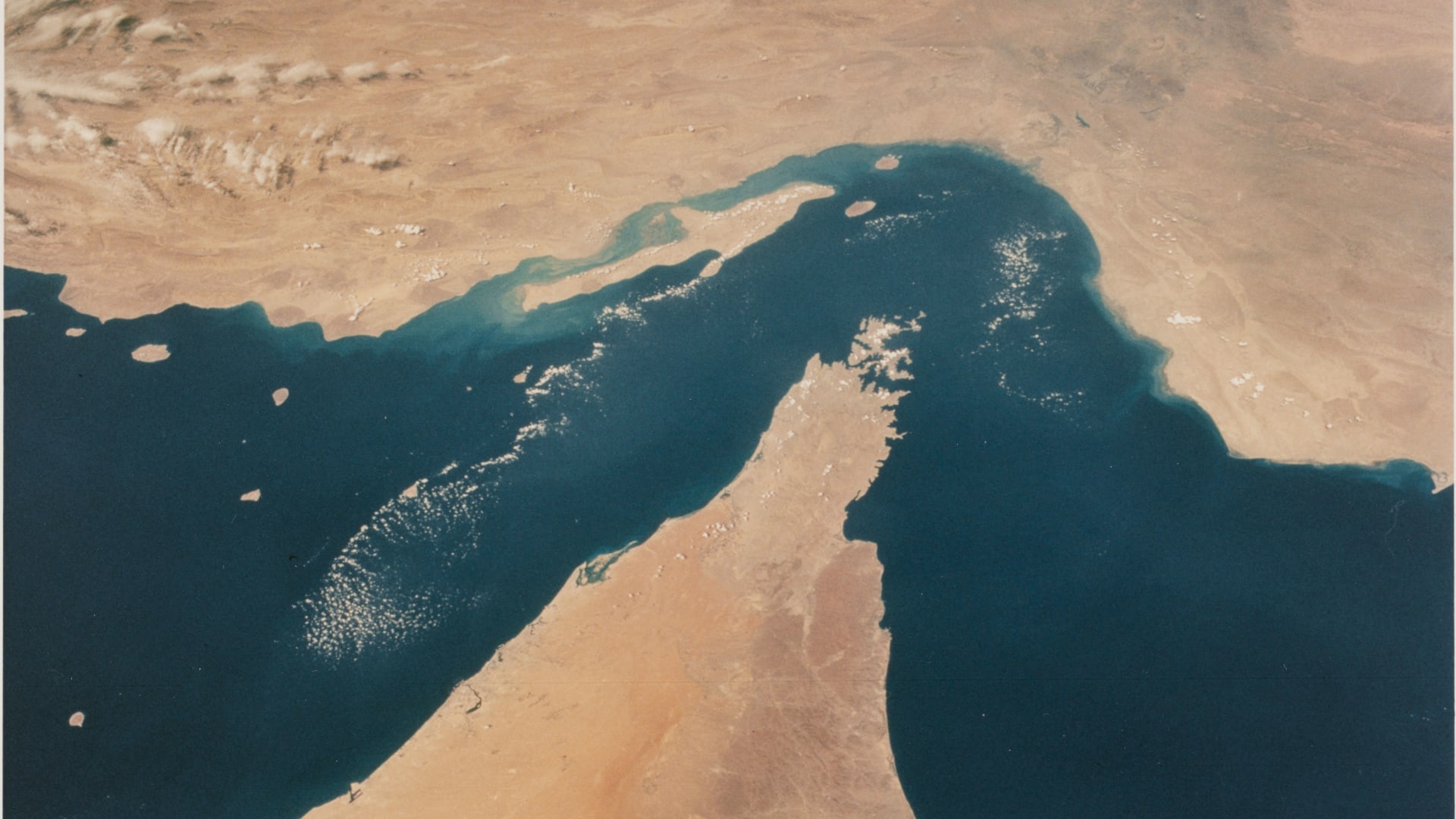
In an escalating confrontation among regional powers, reports indicate that Iran has threatened to fully close the Strait of Hormuz, following heightened tensions with Israel and the United States. The U.S. had launched strikes on Iranian nuclear facilities, further intensifying the situation in the region. In direct response to these events, Iran has issued serious warnings about the possibility of shutting down the strategic strait, which is considered one of the most important maritime passages in the world.
The international community is dealing with the situation with tension. The Strait of Hormuz, through which approximately 20% of global oil supplies pass, represents a vital strategic point. Iran's threat comes at a time when the Iranian government faces internal and external pressures. Recent Iranian statements reaffirm that Tehran will not remain passive in the face of what it perceives as assaults on its sovereignty.
These developments occur within a context of ongoing tensions that have persisted for years between Iran on one side and the United States and Israel on the other. Since the U.S. withdrawal from the Iranian nuclear deal in 2018, the region has witnessed an escalation in conflicts and a failure in dialogue efforts. These dynamics threaten to lead to a security crisis that could harm everyone involved.
Iran's warnings also suggest a potential targeting of the infrastructure of neighboring countries, which could lead to escalated military conflicts in the region. If this happens, it could reshape the balance of power and negatively impact regional stability.
Notably, this tension coincides with significant economic pressures facing Iran, as the government seeks to maintain control amid internal challenges. Tehran may view military escalation as a deterrent or a means to gain advantages on the international stage.
These crises echo past experiences in the region, where major powers intervened in regional conflicts, contributing to long-term instability. Unfortunately, there may be repercussions for the global energy market, reflecting negative outcomes for economic and social issues.