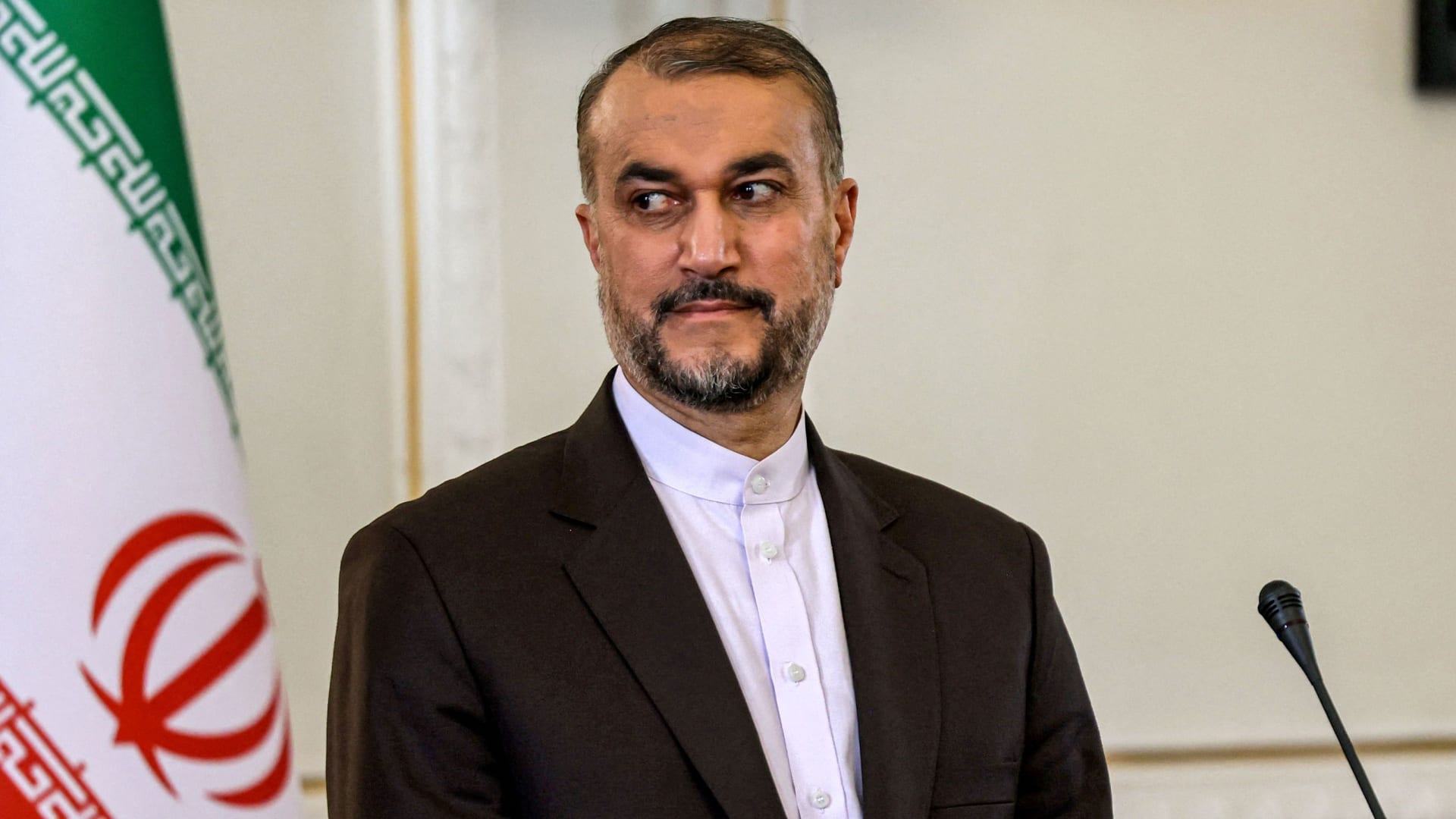
Iran's Defense Council has threatened to plant mines throughout the Persian Gulf, in a new move that reflects the escalating tensions in the region. These statements come at a time when issues concerning Iran's rights in the area are intensifying, raising concerns in international circles.
Expert assessments indicate that this warning reflects Iran's response to provocations from the United States and its allies, particularly after the imposition of extensive economic sanctions. It is notable that such statements usually provoke strong reactions from neighboring countries.
Details of the Threat
The Iranian Defense Council executed this threat during its recent meetings, emphasizing Iran's right to protect its sovereignty in regional waters. Officials expressed that this operation will commence soon if Tehran's demands are not met, and this is part of enhancing the country's defensive capabilities.
Iran considers the Persian Gulf an integral part of its sovereignty, viewing any foreign presence as a direct threat. Indeed, Tehran has previously carried out similar operations, reflecting its commitment to defending national interests.
Context and Background
The historical disputes in the Persian Gulf are longstanding and complex, involving several Arab states and Iran. This resource-rich area is among the most sensitive in the world. Recent years have witnessed a marked escalation in disputes between Iran and Arab nations, in addition to the United States, which continues to bolster its military presence in the region as part of its strategy to contain Tehran's influence.
Conversely, Iran aims to assert that it will not relinquish any of its rights, particularly in light of the harsh economic conditions it faces due to sanctions. This economic crisis necessitates stronger actions to convey clear political messages to support its position on the regional stage.
Consequences and Impact
This Iranian threat could bear a range of negative consequences, not only for Iranian relations with its neighbors but also for security conditions in the Gulf region. Perhaps the most significant consequence is the increase in military tensions, which could lead to armed conflicts if dialogue channels are not available. According to some analysts, certain countries may view this threat as a catalyst for enhancing military alliances.
This escalation could also result in implications for the oil market, as oil prices are expected to rise if investors perceive a risk from instability. This situation will directly impact the global economy, given that many countries rely on oil extracted from this region.
Effect on the Arab Region
The Arab world is prominent in this scene, as several Arab countries face both internal and external challenges amidst increasing foreign pressures. Iran's threats may unite some countries in the region under a single banner to face a common threat, but at the same time, they may provoke internal divisions that affect the stability of political systems.
Arab countries need to recognize the necessity of strengthening their joint interactions and not allowing Iran to leverage tensions to enhance its influence. Political and economic alliances among Arab nations will be essential during this critical phase to defend common interests.
In conclusion, the situation in the Persian Gulf remains complex and requires a delicate balance between power and dialogue. The current tense situation necessitates a clear strategic plan from the relevant countries to prevent an outbreak of hostilities at any moment.