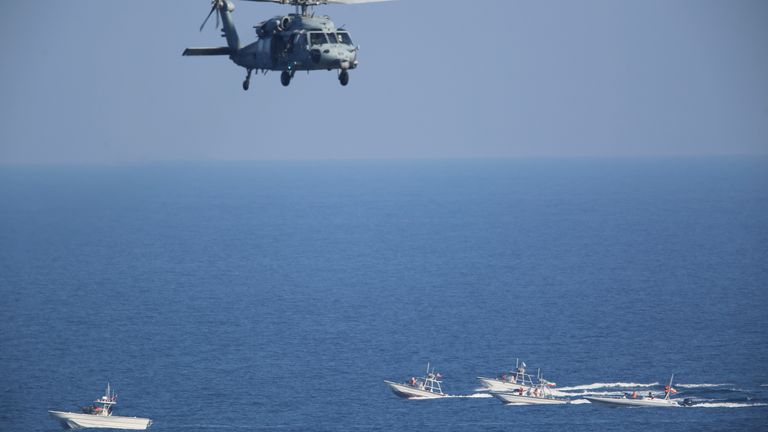
In a new move to bolster control over the Strait of Hormuz, Ibrahim Azizi, the Chairman of the National Security and Foreign Policy Committee in the Iranian Parliament, announced a bill that empowers the Iranian armed forces to implement security measures in the area. This announcement was made during an interview with Iranian state television, where he explained that the plan includes 11 articles aimed at regulating vessel movement in the strait.
Azizi pointed out that the plan imposes a complete ban on the passage of vessels associated with Israel through the Strait of Hormuz, reflecting the escalating tensions between Iran and Israel. He also confirmed that the project will be presented to Parliament for a vote after its sessions resume, highlighting the significance of this step in Iranian policy.
Details of the Initiative
The new plan includes specific mechanisms for controlling ship movements, with the Iranian armed forces set to enforce strict measures on vessels deemed hostile. Azizi clarified that these measures are part of enhancing Iran's national security, especially following recent events in the region.
Additionally, the plan will allow Iran to collect fees from ships passing through the strait, with special accounts to be opened at the Central Bank of Iran to receive these fees in various currencies, including the Iranian rial, US dollar, and euro.
Background & Context
This initiative comes at a sensitive time for Iran, as the region has witnessed an escalation in military tensions, particularly following attacks by the United States and Israel on Iranian territory. These events have led Iran to strengthen its military presence in the Strait of Hormuz, which is considered one of the most important waterways in the world.
Historically, the Strait of Hormuz has played a vital role in the transportation of oil and gas, making it a strategic point for many countries. Control over this strait means controlling the flow of energy to global markets, which the Iranian regime seeks to enhance its regional influence.
Impact & Consequences
This move is expected to increase tensions in the region, as hostile nations, particularly the United States and Israel, may feel a greater threat from Iran. These measures could lead to potential military escalation, threatening regional stability and affecting global oil prices.
Moreover, the imposition of fees on ships may provoke reactions from other countries, complicating Iran's international relations. These dynamics could impact global trade, especially under the current economic conditions.
Regional Significance
Arab countries neighboring the Strait of Hormuz, such as the United Arab Emirates and Saudi Arabia, are among the most affected by these developments. Any escalation in the region could directly impact maritime security and increase shipping costs.
Furthermore, these steps may lead to enhanced cooperation among Arab states to counter Iranian threats, potentially altering the balance of power in the region and affecting the security policies of Arab nations.
In conclusion, these developments reflect the ongoing tensions in the Gulf region, where each party seeks to enhance its influence in the Strait of Hormuz. These dynamics require close monitoring by the international community to ensure regional stability.