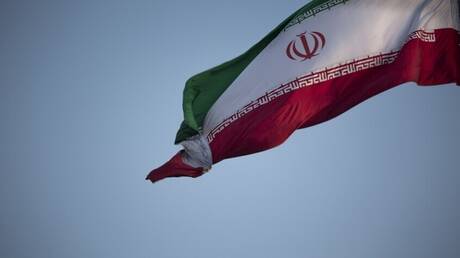
Iran's Foreign Ministry spokesman, Ismail Baqaei, called on American citizens to hold their government responsible for what he termed an 'aggressive war' against Iran during statements made on Monday. This appeal comes amid escalating tensions between Iran and the United States, as both nations exchange accusations regarding military and economic policies.
These statements are part of an ongoing Iranian campaign to highlight what Tehran considers American interference in its internal affairs. Baqaei emphasized that the American people should be aware of the impact their government's policies have on security and stability in the region.
Details of the Statement
In his remarks, Baqaei asserted that the U.S. government bears responsibility for the crises Iran is facing, including the economic sanctions imposed by Washington. He pointed out that these policies exacerbate the humanitarian situation in the country, prompting the American people to take a stand against their government.
These statements come at a sensitive time, as pressures on Iran increase due to its nuclear program and regional interventions. Recent months have seen a rise in tensions between Iran and the United States, heightening fears of a potential military conflict.
Background & Context
Historically, relations between Iran and the United States have been strained since the Islamic Revolution in 1979. These tensions have led to the imposition of severe economic sanctions on Iran, significantly impacting its economy. In recent years, these tensions have intensified due to Iran's nuclear program, which the United States and its allies view as a threat to regional security.
Moreover, recent events, such as attacks on oil facilities in the Arabian Gulf, have heightened tensions, with Iran accusing the U.S. and its allies of inciting these attacks. In turn, Tehran denies any involvement in these incidents, complicating the situation further.
Impact & Consequences
Baqaei's call may increase pressure on the U.S. government from citizens who feel directly affected by their government's policies. Additionally, these statements could bolster national sentiments in Iran, as officials seek to unite the populace against what they perceive as external threats.
On the international stage, these remarks could lead to further division between Western countries and Iran, making it more challenging to reach diplomatic solutions. Furthermore, these statements may impact negotiations regarding Iran's nuclear program, as involved parties might feel that dialogue has become more complicated.
Regional Significance
The Iranian-American relationship is a central axis in regional politics, influencing many Arab countries. The escalation of tensions between Iran and the United States could lead to increased instability in the region, affecting the national security of Arab states.
Any potential military escalation could have negative economic repercussions for neighboring countries, particularly those reliant on stability in the Arabian Gulf. Therefore, Baqaei's call may raise widespread concern among political circles in the Arab world.
In conclusion, the statements made by the Iranian Foreign Ministry spokesman reflect the ongoing tensions between Iran and the United States, highlighting the importance of public awareness in both countries regarding government policies. Under these circumstances, the question remains about how these dynamics will affect the future of regional and international relations.