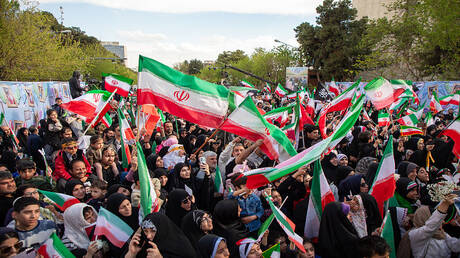
In a striking statement, Ibrahim Rezaei, the head of the Iranian Parliament's National Security Committee, confirmed that the United States has been forced to accept Iran's conditions to end the war. He noted that this development is a result of the resistance of the Iranian people and armed forces, along with the support of the resistance axis.
These remarks come at a sensitive time in the region, where tensions between Iran and the United States are escalating. Rezaei added that the Iranian conditions include a set of points aimed at achieving stability in the region and halting hostilities.
Details of the Conditions
The Iranian conditions consist of ten main points related to various security and political issues. Among these points is the affirmation of Iran's rights in the nuclear energy sector and the lifting of economic sanctions imposed on it. This acknowledgment by the United States is considered a significant step towards easing tensions in the region.
Rezaei also indicated that these conditions represent the will of the Iranian people to defend their rights and interests, and that their acceptance by the United States reflects the failure of American policies in the region. This comes after years of escalating tensions between the two sides, which have seen military escalations on several occasions.
Background & Context
Historically, Iranian-American relations have witnessed many turning points, starting from the Iranian Revolution in 1979, which led to the severance of diplomatic ties between the two countries. Since then, there have been multiple attempts at negotiation, but they have often ended in failure. With rising tensions in recent years, it has become essential to find peaceful solutions to ongoing crises.
In recent years, pressures on Iran have increased due to economic sanctions, significantly impacting the Iranian economy. However, Iran has continued to assert its rights in the nuclear energy sector, making it a central focus in international negotiations.
Impact & Consequences
The acceptance of Iranian conditions by the United States could lead to radical changes in regional dynamics. If these conditions are implemented, they may contribute to reducing tensions between Iran and Western countries, potentially opening the door for further cooperation in other areas such as regional security and counter-terrorism.
However, the question remains regarding the United States' commitment to implementing these conditions, especially in light of internal political forces opposing any rapprochement with Iran. These dynamics could affect the future of relations between the two countries and determine the course of events in the region.
Regional Significance
This development is significant for Arab countries, as the stability of Iranian-American relations could directly impact regional security. If the conditions are implemented, it could lead to a reduction in tensions in areas such as Iraq and Syria, where Iran plays a key role.
Arab countries may also find themselves facing a new opportunity to negotiate with Iran on common issues, which could contribute to greater stability in the region. However, these countries must remain cautious of any moves that could lead to a new escalation in conflicts.
In conclusion, the acceptance of Iranian conditions by the United States represents an important step towards achieving peace and stability in the region. However, it remains to be seen how events will unfold in the future and whether these conditions will lead to positive outcomes.