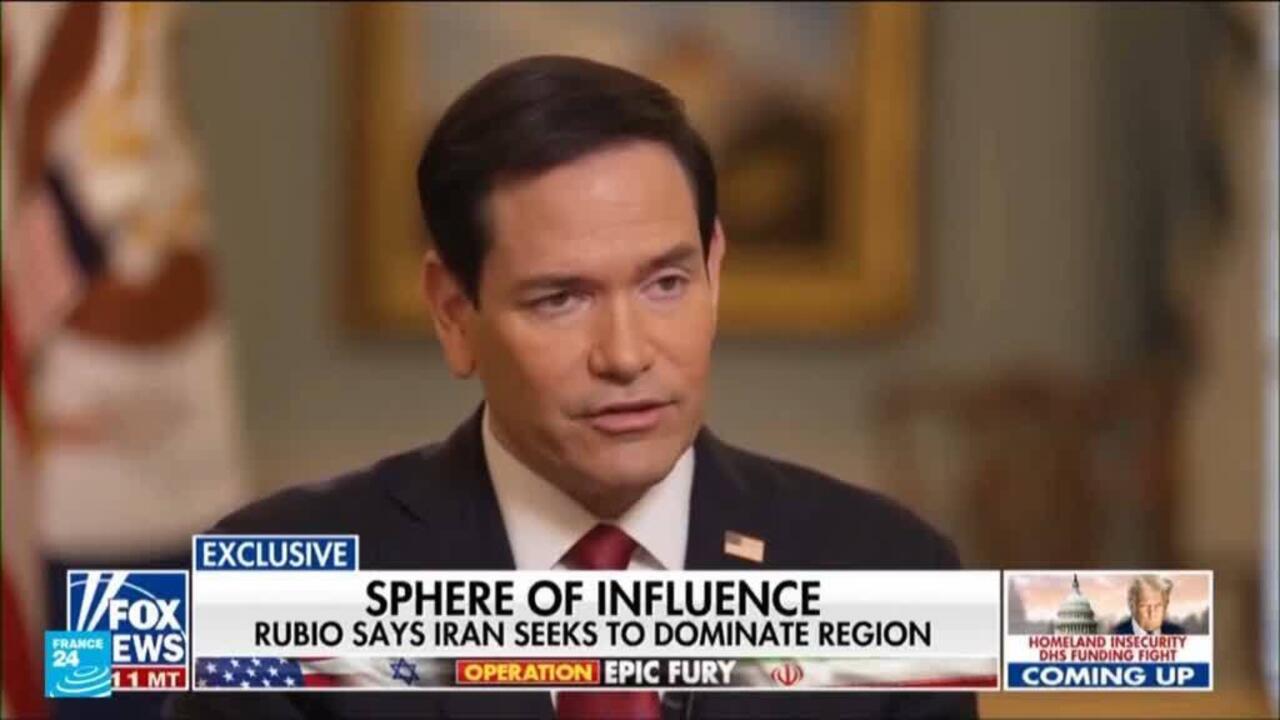
U.S. Secretary of State Marco Rubio affirmed that Iran's position on the Strait of Hormuz, a vital transit point for oil and liquefied natural gas, does not meet American demands. In remarks to Fox News, Rubio pointed out that Iran's concept of opening the strait hinges on coordination with them, raising concerns about navigation freedom in this strategic corridor.
Rubio clarified that what Iran means by opening the strait is that it will only be open if permission is granted by them, implying that any movement without their consent could face military threats. These statements reflect the escalating tensions between Tehran and Washington, with each side seeking to bolster its position in the region.
Details of the Situation
The Strait of Hormuz is a key transit point for global oil movement, with approximately 20% of total global oil exports passing through it. This makes the strait an extremely sensitive area, where any escalation in tensions could significantly impact global energy markets. Rubio's statements come at a critical time, as concerns grow that Iran may use its control over the strait as leverage against Western nations.
The American minister added that any attempt by Iran to threaten the closure of the strait or impose restrictions on navigation would be met with strong reactions from the United States and its allies. This statement reflects the current U.S. policy aimed at ensuring freedom of navigation in vital waterways.
Background & Context
Historically, the Strait of Hormuz has witnessed numerous crises and conflicts, serving as a stage for several military confrontations between Iran and Western nations. In recent years, Iran has increased its military activities in the region, exacerbating tensions. These activities include threats to close the strait, which is viewed as an economic weapon that could influence global oil prices.
In past years, there have been attempts by the United States to bolster its military presence in the region, including sending warships to the Arabian Gulf. These moves aim to deter any threats from Iran and ensure stability in energy markets.
Impact & Consequences
If Iran continues to use the Strait of Hormuz as a means of pressure, it could lead to military escalation in the region. Such an escalation could significantly affect oil prices, impacting the global economy. Any closure of the strait would lead to increased shipping costs, potentially driving oil prices up considerably.
The economic repercussions of this situation could be far-reaching, affecting oil-importing countries, including Arab nations. Additionally, any military escalation could heighten tensions among major powers in the region, increasing instability.
Regional Significance
Arab oil-producing countries, such as Saudi Arabia and the UAE, find themselves in a sensitive position, as their economies heavily rely on oil exports. Any escalation in the Strait of Hormuz could directly impact these nations, raising concerns about the stability of energy markets.
Moreover, any tension in the region could lead to an influx of refugees and increased social tensions in neighboring countries. Therefore, the situation in the Strait of Hormuz requires close monitoring by Arab nations and the international community.
In conclusion, the Strait of Hormuz remains a pivotal point in global politics, necessitating a coordinated response from concerned nations to ensure navigation freedom and market stability.