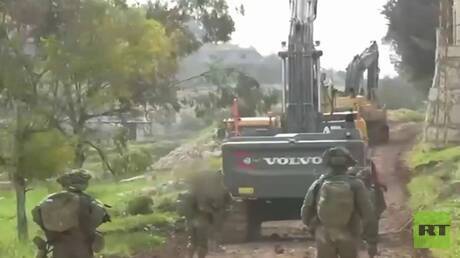
The Israeli army announced the destruction of over 1000 facilities it claims are linked to Hezbollah, which were utilized in attacks against Israeli forces. This statement comes at a time when tensions between the two sides are intensifying, raising fears of a larger escalation in the region.
This action is part of ongoing Israeli military operations against Hezbollah, which is considered one of Israel's primary adversaries in the area. The Israeli army indicated that these facilities were used for storing weapons and planning attacks, reflecting the ongoing threat posed by the group.
Details of the Operations
According to military data, these air and ground operations were executed with high precision, targeting sites believed to contain advanced weaponry. Aerial images released after the attacks showed widespread destruction in the targeted areas.
Reports also indicated that these facilities were used for training party members, complicating the security situation in the region further. The Israeli army expressed its readiness to continue operations if necessary, emphasizing the importance of safeguarding national security.
Background & Context
Historically, relations between Israel and Hezbollah have seen increasing tensions since the 2006 war, during which the group has continued to enhance its military capabilities. In recent years, reciprocal attacks between the two sides have escalated, leading to a continuous rise in conflict.
These events are part of the broader conflict in the Middle East, where regional and international interests intersect. Israel continues to closely monitor Hezbollah's military activities, especially with Iranian support for the group, which adds to the complexity of the situation.
Impact & Consequences
The destruction of these facilities could have significant implications for Hezbollah's ability to carry out military operations against Israel. While this may reduce direct threats, it could also provoke retaliatory responses from the group, increasing the likelihood of escalation in the conflict.
Simultaneously, these developments may affect relations between Israel and Arab nations, particularly as some countries attempt to normalize relations with Israel. Any escalation in the conflict could complicate these efforts and heighten tensions in the region.
Regional Significance
These events signal the volatile security situation in the Middle East, where fears of escalating armed conflicts are rising. Such developments may impact stability in neighboring countries, particularly Lebanon and Syria, where Hezbollah is a key player in the conflict.
Moreover, the escalation between Israel and Hezbollah could influence peace efforts in the region, as the international community seeks lasting solutions to conflicts. The current situation requires a concerted effort from both international and local actors to reduce tensions and achieve stability.
In conclusion, the situation in the region remains complex, with political and military interests intertwined. Stakeholders must work towards de-escalating tensions and avoiding escalation to ensure lasting peace in the area.