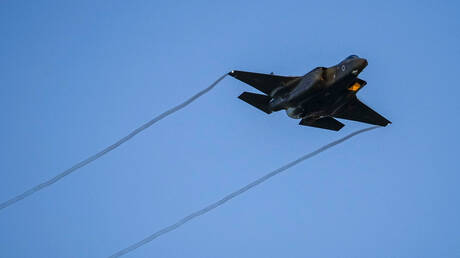
Iran's Foreign Minister Abbas Araghchi confirmed that Israel carried out attacks on two of Iran's largest steel factories, a power generation plant, and civilian nuclear sites on Friday, marking a serious escalation in tensions between the two countries.
Araghchi described these attacks as "crimes," emphasizing that Iran will impose a heavy price on Israel for these actions. These statements come at a sensitive time as the region experiences increasing tensions, particularly with the ongoing conflict in Gaza and the mutual threats between Iran and Israel.
Details of the Incident
The attacks targeting vital factories in Iran are part of a series of operations aimed at Iranian infrastructure. The targeted sites were precisely identified, raising questions about the level of Israeli intelligence and its capability to execute such operations.
The steel factories are critical facilities that play a fundamental role in the Iranian economy, providing essential materials for various industries. Additionally, the targeted power generation plant is one of the main sources of energy in the country, increasing the impact of these attacks on the daily lives of Iranian citizens.
Background & Context
Historically, Iranian-Israeli relations have seen increasing tensions since the Islamic Revolution in 1979. Iran considers Israel a major enemy, while Israel views Iran's nuclear program as a threat to its national security. These tensions have escalated in recent years with the rise of Iranian military activities in the region and its support for allies such as Hezbollah in Lebanon.
The recent attacks come at a sensitive time, as Iran seeks to enhance its military and nuclear capabilities while Israel attempts to prevent it from doing so. Iran has repeatedly expressed its readiness to respond to any aggressions, increasing the likelihood of escalating conflict in the region.
Impact & Consequences
These attacks are expected to escalate tensions between Iran and Israel, which could negatively affect regional security. Potential Iranian responses may include increased military activities against Israeli interests in the region, potentially leading to a cycle of violence.
Furthermore, these events may impact Iran's relations with other countries, especially those seeking to improve ties with Tehran. The international community may intervene to mitigate escalation, particularly amid concerns about the conflict spreading to other countries in the region.
Regional Significance
These events are particularly significant for Arab countries, as they may lead to increased tensions in areas such as the Arabian Gulf. Any escalation in the conflict between Iran and Israel could affect the stability of neighboring countries and exacerbate existing conflicts.
Arab nations are striving to balance their relations with Iran and Israel, making these events pivotal in shaping the future of regional relations. Any escalation could also impact peace efforts in the region and complicate humanitarian situations in affected areas.
In conclusion, the Israeli attacks on Iranian facilities represent a serious escalation in the ongoing conflict, necessitating urgent international action to reduce tensions and ensure regional stability.