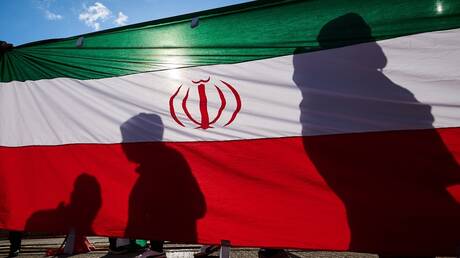
Iran's Chief Justice, Gholam Hossein Mohseni Ejei, announced that Tehran will implement stringent measures against anyone threatening the psychological and physical security of the Iranian people, emphasizing zero tolerance for enemy affiliates. In remarks made during a meeting with senior judicial officials, Ejei pointed out that security is one of the government's priorities and that any attack on this security will not be tolerated.
Ejei clarified that the judicial authorities will work to enhance public security, noting that new plans will be implemented to confront the threats facing society. He also stressed the importance of cooperation among various government institutions to ensure the safety of citizens.
Details of the Statement
Ejei's statements come at a time when Iran is experiencing both internal and external tensions, with growing concerns about the enemies' influence on national security. Numerous incidents have been recorded that are considered threats to public security, prompting the government to take stricter measures to address them.
He also indicated that there is an urgent need to educate citizens about the potential risks they may face and called for increased security awareness among community members. He highlighted that the judiciary will play a key role in countering any attempts to destabilize the country.
Background & Context
Historically, Iran has faced ongoing internal and external security challenges, enduring pressures from both Western and Arab nations. Recent events have shown that there are increasing attempts to influence the internal situation by spreading chaos and unrest.
In recent years, Iran has witnessed widespread protests, which have led the government to take strict actions against demonstrators. Ejei's statements reflect the continuation of this approach, as the government seeks to bolster its authority by enforcing strict laws on any activities deemed a threat to security.
Impact & Consequences
The recent statements from the Chief Justice may escalate tensions within the country, as citizens might feel anxious about any movements that could be perceived as threats to security. Additionally, these measures could affect civil liberties and increase discontent among various segments of society.
On the other hand, these policies may strengthen the government's position in the face of external pressures, as it aims to demonstrate its strength and ability to protect national security. However, potential reactions from the international community must be considered, especially amid growing criticism of human rights in Iran.
Regional Significance
Iran is a key player in the region, and any changes in its domestic policy could impact regional balance. The escalation of internal repression could lead to increased tensions with neighboring countries, which may reflect on the relations between Iran and Arab states.
These policies may also influence protest movements in neighboring countries, where they could be seen as a model to emulate or a cautionary tale. Consequently, events in Iran could contribute to shaping the political landscape in the region as a whole.
In conclusion, the recent statements by the Iranian Chief Justice reflect the challenges the government faces in maintaining security and stability. As internal and external pressures continue, the question remains about how these policies will affect Iran's future and its relations with the world.