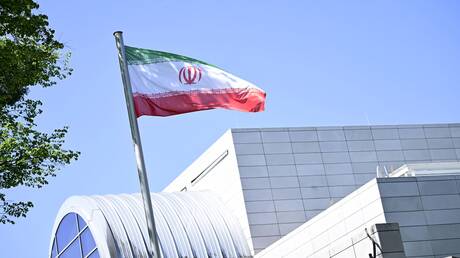
The Iranian Foreign Ministry has declared that the destruction of bridges constitutes a clear war crime, emphasizing that repeated attacks on civilian infrastructure aim to undermine Iran as a sovereign state.
The ministry stated in a press release that these military actions represent a blatant violation of international laws, highlighting the intent of certain parties to harm Iran by targeting its fundamental components. It also warned that these attacks not only affect infrastructure but also threaten civilian lives and target the stability of the country.
Details of the Incident
These statements come at a time when Iran is witnessing an escalation in attacks on its infrastructure, with several bridges and vital facilities destroyed in various regions of the country. Local and international reports have noted an increase in these attacks, raising concerns for the Iranian government regarding the safety of its citizens and the security of the state.
The spokesperson for the Iranian Foreign Ministry pointed out that these attacks are part of a systematic strategy aimed at destabilizing security and stability in the country, warning that the continuation of these actions could lead to an escalation of tensions in the region.
Background & Context
Historically, Iran has faced numerous political and military crises, enduring both external and internal pressures over the decades. The attacks on infrastructure are seen as part of the ongoing conflict between Iran and some Western countries, particularly amid tensions surrounding Iran's nuclear program.
The volatile regional situation, including conflicts in the Middle East, complicates matters further, as the interests of major powers intersect with local crises, placing Iran in a sensitive position that requires decisive actions to protect its sovereignty.
Impact & Consequences
Analyses suggest that the continued attacks on Iranian infrastructure could exacerbate the economic and social conditions in the country. With the destruction of bridges and vital facilities, transportation and trade are adversely affected, negatively impacting the lives of citizens.
These conditions may also lead to increased public discontent, potentially contributing to new protests and increasing pressure on the Iranian government. At the same time, Iran may seek to strengthen its regional and international alliances to confront these challenges.
Regional Significance
The situation in Iran has significant implications for the Arab region, as any escalation in the circumstances may reflect on neighboring countries. Tensions in Iran could lead to increased instability in Iraq, Syria, and Lebanon, where groups linked to Iran are present.
Arab countries may find themselves compelled to reassess their security and political strategies in light of these developments, potentially leading to changes in regional alliances.
In conclusion, the Iranian statements regarding the destruction of bridges as a war crime reflect growing concerns over attacks on infrastructure and underscore the importance of protecting national sovereignty. Amid increasing crises, the question remains about how Iran will respond to these challenges and how this will affect the stability of the region as a whole.