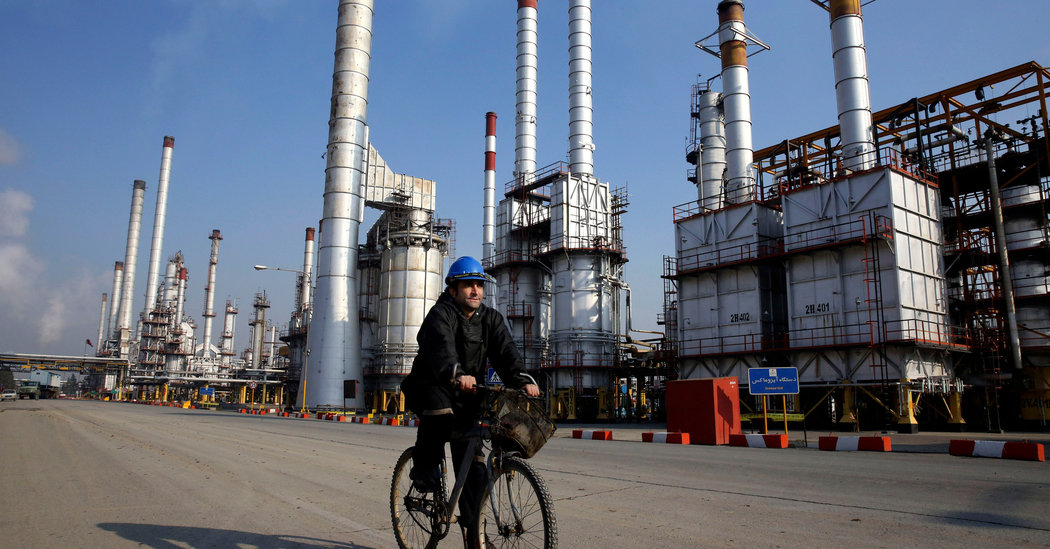
JPMorgan has issued a warning that the outbreak of war in Iran could lead to significant shocks in oil and commodity prices. This warning comes at a time when tensions in the region are escalating, raising concerns about the stability of global energy markets.
There are growing fears that any military escalation in Iran could directly impact oil supplies, as Iran is one of the largest oil producers in the world. The bank noted that any disruptions in Iranian production could lead to a substantial rise in oil prices, affecting the global economy.
Details of the Situation
Tensions are increasing in the Middle East, with disputes between Iran and Western countries escalating. In recent days, there have been mutual statements from both sides, increasing the likelihood of military conflict. In this context, JPMorgan has warned that any escalation could lead to significant shocks in oil and commodity prices.
Forecasts indicate that oil prices could rise significantly in the event of any conflict, potentially exceeding new record levels. Additionally, prices of other commodities may be directly affected due to increased transportation and production costs.
Background & Context
Historically, oil prices have experienced significant fluctuations due to conflicts in the Middle East. For instance, the Gulf War in the 1990s led to a sharp rise in oil prices. Furthermore, political events in Iran, such as economic sanctions, have had notable impacts on the market.
Iran is considered a key player in the oil market, possessing vast reserves. Any disruption in its production or exports could affect the balance of the global market, raising concerns among oil-consuming nations.
Impact & Consequences
If a war breaks out in Iran, the effects will not be limited to oil prices alone but will also encompass the global economy as a whole. An increase in oil prices could lead to higher transportation and production costs, negatively impacting the prices of essential commodities.
Countries that heavily rely on Iranian oil will face significant challenges, potentially leading to economic disruptions in those nations. Moreover, the rise in oil prices could result in increased inflation rates in many countries, affecting citizens' purchasing power.
Regional Significance
Arab countries are among the most affected by fluctuations in oil prices. If a war breaks out in Iran, Arab nations may witness a rise in oil prices, which could benefit some oil-producing countries but impose economic pressures on importing nations.
Additionally, military tensions could exacerbate humanitarian crises in the region, increasing the suffering of populations. Under these circumstances, Arab countries must take proactive measures to address any potential repercussions.
In conclusion, the situation in the Middle East remains influenced by political and military tensions, raising concerns about the stability of oil and commodity markets. Investors and analysts must closely monitor developments.