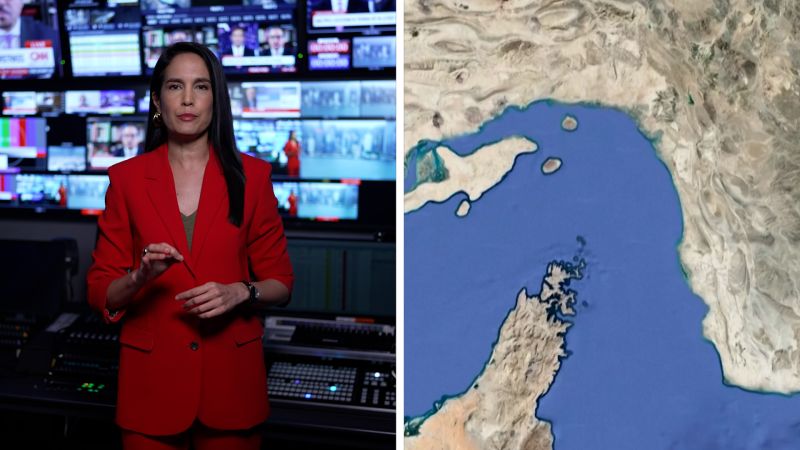
A senior U.S. official has indicated that Iranian behavior in the Hormuz Strait should be viewed as a warning bell for global energy security. She affirmed that Iranian actions, which include threats to maritime navigation, could significantly impact the stability of energy markets.
Amid escalating tensions in the region, the importance of the Hormuz Strait emerges as one of the world's most vital maritime corridors, through which approximately 20% of the world's total oil passes. The official warned that the continuation of these activities could exacerbate economic crises in oil-importing countries.
Details of the Situation
These statements come at a time when relations between the United States and Iran are increasingly strained, with both nations exchanging accusations regarding military activities in the region. Recent reports have noted a rise in Iranian provocations, including the interception of commercial vessels.
The official also confirmed that the United States will continue to work with its allies to ensure freedom of navigation in the strait, stressing the importance of international cooperation to counter Iranian threats.
Background & Context
The Hormuz Strait is a strategic point in geopolitical terms, linking the Arabian Gulf to the Sea of Oman. The strait has witnessed numerous incidents in recent years, including attacks on oil tankers, which have heightened tensions between Iran and Western countries.
Historically, Iran has used the Hormuz Strait as a means to exert pressure on Western nations, particularly during times of political crises. This behavior is part of Iran's broader strategy to enhance its influence in the region.
Impact & Consequences
Analyses suggest that the continuation of Iranian activities in the Hormuz Strait could lead to a rise in global oil prices, affecting the global economy as a whole. Furthermore, any potential military escalation could drag the region into a wider conflict, increasing instability.
Additionally, tensions in the strait could impact maritime security, raising concerns for companies and investors in the energy sector. This may necessitate a response from the international community to ensure the protection of maritime navigation.
Regional Significance
Arab oil-producing countries are the most affected by tensions in the Hormuz Strait, as their economies heavily rely on oil exports. Any escalation in the region could lead to severe economic repercussions, including a decline in oil revenues.
Moreover, Arab nations may find themselves compelled to bolster their military capabilities to protect their interests, potentially increasing regional tensions and affecting political stability.
In conclusion, Iranian behavior in the Hormuz Strait remains a critical issue that requires ongoing international attention, as any escalation could significantly impact global energy security and regional stability.