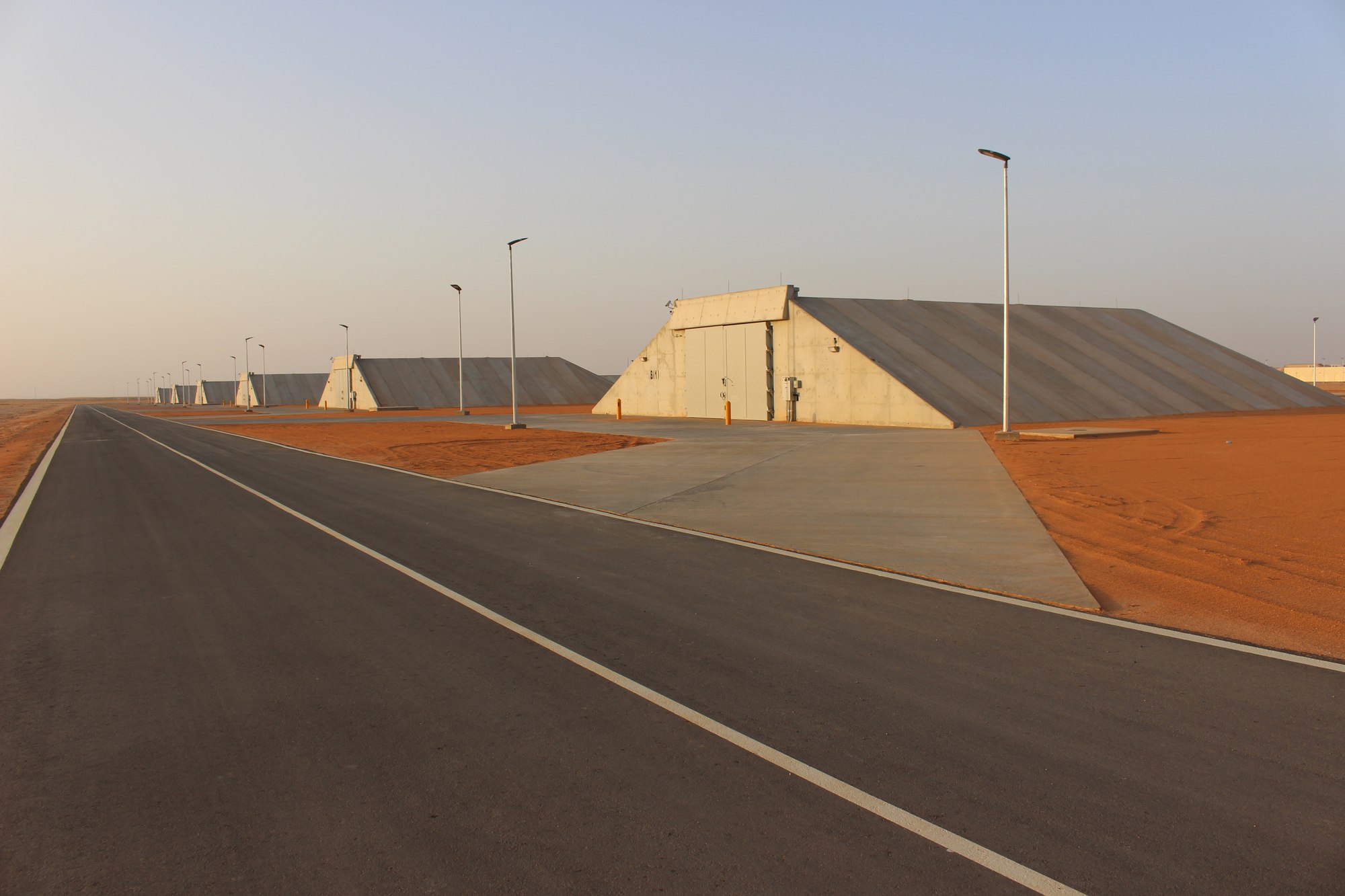
Reports have emerged indicating that the AN/TPY-2 radar, which is considered a vital component of the American THAAD missile defense system, suffered extensive damage as a result of an Iranian attack on the Prince Sultan Air Base in Saudi Arabia. The incident occurred at a time when tensions between Iran and the United States are intensifying, raising concerns about regional stability.
According to reports from CNN, satellite images revealed that the radar, which consists of several mobile trailers, sustained severe damage, with antennas appearing burned and many parts missing. It is noted that the cost of the AN/TPY-2 radar is estimated at approximately $136 million, reflecting the importance of this system in American defenses in the region.
Details of the Incident
The Iranian attack comes in the context of a series of escalations between Tehran and Washington, where the United States and Israel conducted airstrikes on Iranian targets, including the capital Tehran, on February 28, resulting in damage and civilian casualties. Iran responded to these airstrikes with attacks on Israeli targets and American military facilities in several countries in the Middle East, including Bahrain, Qatar, the United Arab Emirates, and Saudi Arabia.
This escalation reflects the increasing tension in relations between Iran and the United States, as each side seeks to bolster its military position in the region. The reciprocal attacks suggest that the conflict may accelerate further in the near future, raising fears of a larger escalation that could impact regional security.
Background & Context
Historically, relations between Iran and the United States have been marked by increasing tensions since the Islamic Revolution in 1979. The economic and political sanctions imposed by the United States on Iran, along with its support for allies in the region, have led to heightened tensions. In recent years, these tensions have significantly increased, especially following the U.S. withdrawal from the Iranian nuclear deal in 2018.
The American military presence in the Middle East, including military bases in Saudi Arabia, is considered part of Washington's strategy to counter Iran's growing influence. However, Iranian attacks on U.S. bases indicate that Tehran is willing to challenge this presence, complicating the security landscape in the region.
Impact & Consequences
The attack on the AN/TPY-2 radar could have significant implications for U.S. military strategy in the Middle East. This incident may lead the United States to reassess its military presence in the region, potentially prompting it to strengthen its defenses or take more aggressive actions against Iran.
Furthermore, the damage to the radar may affect the United States' ability to monitor missile threats from Iran, increasing risks to its allies in the region. This situation could lead to greater military escalation, threatening regional security and exacerbating civilian suffering in ongoing conflicts.
Regional Significance
For Arab countries, the escalation of tensions between Iran and the United States may have direct implications. Gulf states, particularly Saudi Arabia, may feel a greater threat from Iranian activities, potentially driving them to strengthen their military alliances with the United States and other nations.
Moreover, military escalation could impact the overall stability of the region, potentially leading to new waves of displacement and unrest. It is crucial for Arab nations to remain vigilant regarding these developments and to work on enhancing their internal stability and regional cooperation to face future challenges.