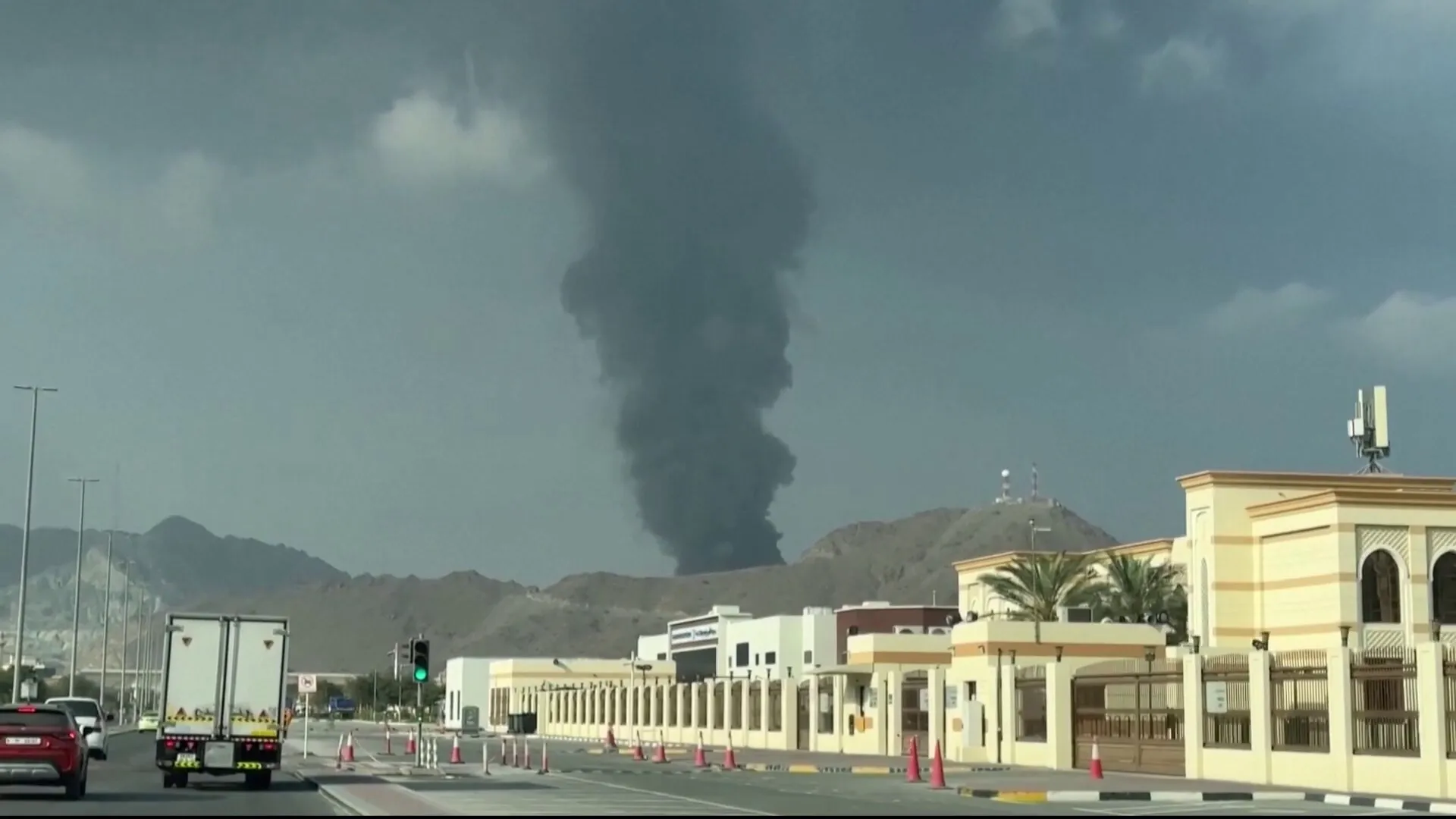
Gulf countries find themselves at the heart of a regional conflict that transcends their borders, facing extensive Iranian attacks targeting vital facilities in the region. Despite their insistence on not engaging in any military escalation, these nations have become primary targets of attacks, presenting them with significant challenges regarding their security and strategic interests.
Since the onset of tensions on February 28, several Gulf capitals, including Bahrain, Abu Dhabi, Muscat, Kuwait, Riyadh, and Doha, have experienced repeated missile and drone strikes. Reports indicate that over 80% of Iranian strikes have been directed at Gulf countries, with approximately 4,400 missiles and drones launched, while attacks on Israel did not exceed 900, reflecting the level of pressure the region is under.
Details of the Attacks
Despite Gulf and international statements condemning these attacks, including an early Iranian apology, the frequency of strikes has not diminished; instead, it has escalated to target civilian and vital installations. In Kuwait, the Shuwaikh Port was targeted, while the Fujairah region's oil industries in the UAE faced repeated bombardment. Drones hit fuel tanks at the Salalah Port in Oman, and Saudi strikes targeted the Ras Tanura refinery operated by Aramco, the largest in the Middle East.
In light of this escalation, Gulf nations have heightened their defensive readiness while maintaining their commitment to diplomatic solutions. On the twelfth day of the conflict, they successfully collaborated with Jordan to secure a resolution from the United Nations Security Council condemning the Iranian attacks and calling for their cessation, emphasizing the protection of civilians and the security of international navigation.
Background & Context
The war is taking a more complicated turn with Israel targeting facilities linked to Iran's South Pars gas field, prompting Qatar to condemn the attack as a threat to global energy security. This was followed by an Iranian response targeting energy facilities in several Gulf countries, including Qatar, Saudi Arabia, Kuwait, and the UAE, with the Ras Laffan industrial city suffering missile strikes that caused damage and fires.
Doha responded with strong condemnation, declaring the military and security attachés at the Iranian embassy as persona non grata, reflecting a diplomatic escalation parallel to the military one. This escalation comes at a time when fears of global economic repercussions are increasing, especially with Iran threatening to close the Strait of Hormuz, through which about one-fifth of global oil consumption passes.
Impact & Consequences
Gulf countries warn of the dangers of this step, considering it an escalation that raises the cost of war for the entire world. Through the Gulf Cooperation Council, they confirmed their direction towards seeking strategic alternatives to ensure the continuity of energy flows away from threats. Concurrently, Gulf nations have intensified their international efforts, with the Human Rights Council adopting a resolution condemning the targeting of civilians and infrastructure in the region, reflecting the widening circle of international support for the Gulf position.
The Gulf states, which find themselves at the center of a war imposed by geography, are moving towards dealing with a new reality that requires adapting to its repercussions and preparing for its outcomes. They are also striving to formulate a vision for the "next day" based on the geopolitical transformations brought about by the war, redefining regional security priorities based on the concept of collective security and the indivisibility of the region's security.
Regional Significance
Recent events underscore the necessity of enhancing cooperation among Gulf countries to address security and economic challenges. They also highlight the importance of diplomatic dialogue as a means to ease tensions and avoid military escalation that could lead to severe repercussions for regional and global security. The continuation of this war could affect the stability of the region and complicate economic conditions, necessitating urgent action from the international community to ensure security and peace.
In conclusion, Gulf countries remain in a precarious position, with the current situation requiring strategic steps to ensure their security and stability amid escalating regional tensions.