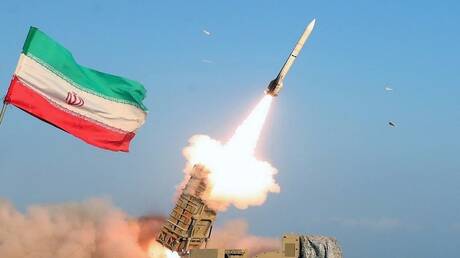
Three Gulf countries experienced a surge in Iranian attacks on Tuesday, involving drone strikes and ballistic missiles, raising concerns over escalating regional tensions. The incidents have prompted heightened security measures in the affected nations, highlighting the security challenges these countries face amid increasing Iranian military activities.
These attacks come at a sensitive time, as the region grapples with rising political and economic crises. The strikes, which were detected at several locations, resulted in material damage at some sites. No human casualties have been reported so far, but local authorities confirmed they are assessing the damage and taking necessary actions to protect citizens.
Details of the Attacks
According to reports, the territories of the Gulf countries were targeted by drones and ballistic missiles, leading to material damage in certain areas. The attacks follow a series of tensions between Iran and the Gulf nations, with fears growing that these actions could lead to a larger military escalation in the region. Officials from the affected countries have stated that they are closely monitoring the situation and working to enhance their defensive capabilities to counter any future threats.
The current attacks come after a prolonged period of strained relations between Iran and the Gulf states, particularly Saudi Arabia and the United Arab Emirates, due to Iran's support for militias in Iraq, Syria, and Lebanon.
Background & Context
Historically, the region has witnessed numerous conflicts and tensions, with Iran always being a key player in these crises. The relationships between Iran and the Gulf countries have been tense for years, primarily due to Iran's backing of various militant groups across the region.
The ongoing attacks occur at a critical juncture as Gulf nations seek to bolster their security and stability amid global political and economic changes. Furthermore, these attacks could impact peace and stability efforts in the region, complicating the security landscape even further.
Impact & Consequences
The Iranian attacks could escalate tensions in the region, negatively affecting the Gulf economy. If these attacks continue, trade and investment flows in the region may be disrupted, increasing economic pressure on the affected countries.
Moreover, these attacks may lead to increased security cooperation among Gulf nations, as they may seek to strengthen their alliances to confront common threats. Additionally, these events could provoke reactions from the international community, potentially leading to diplomatic or military interventions in the region.
Regional Significance
These attacks serve as a wake-up call for other Arab nations, as they may lead to heightened tensions in other parts of the Arab world. Countries facing political or economic crises may find themselves in a more vulnerable position amid rising regional tensions.
Ultimately, the current situation requires Arab nations to take serious steps to enhance their security and stability, working towards building strategic alliances to address the growing security challenges.