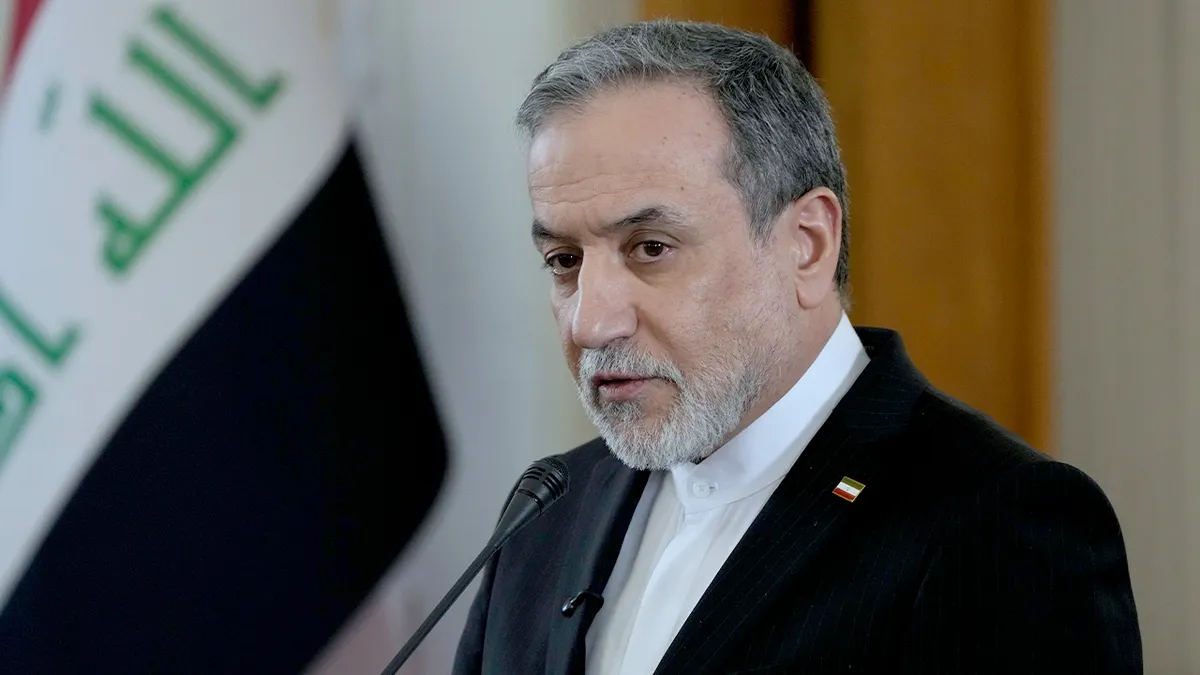
Iranian Foreign Minister Abbas Araghchi has left Islamabad heading to Moscow, reflecting the ongoing tensions in the relationship between Iran and the United States. This visit occurs during a crucial period, as mediators hope to revive the peace talks that are facing significant challenges.
Iran aims to strengthen its ties with Russia amid increasing pressure from the United States and its allies. Araghchi's visit to Moscow may be part of a broader strategy to enhance bilateral cooperation in various fields, including energy and security.
Details of the Visit
Araghchi's visit comes after a period of stagnation in the nuclear talks between Iran and the United States, where efforts to revive the nuclear agreement have not made any notable progress. International mediators, including Russia, play a vital role in attempting to push the parties back to the negotiating table.
Iran seeks guarantees from the United States regarding the non-recurrence of sanctions, while Washington remains hesitant to offer any concessions. This dynamic makes it difficult to achieve any tangible progress in the discussions.
Background & Context
Historically, the relationship between Iran and the United States has been tense, especially since Washington's withdrawal from the nuclear agreement in 2018. This withdrawal led to an escalation of tensions and the imposition of severe economic sanctions on Iran, adversely affecting its economy.
In recent years, Iran has attempted to bolster its relations with countries like Russia and China as part of its strategy to counter Western pressures. These relationships may provide Iran with some support in facing sanctions, but they also reflect a shift in regional balances.
Impact & Consequences
If Araghchi's visit to Moscow succeeds in making progress in the talks, it could lead to a de-escalation of tensions in the region. However, if negotiations continue to stall, pressures on Iran may increase, potentially escalating situations in the Gulf.
Potential consequences include heightened military tensions in the region, as Iran may seek to enhance its defensive capabilities in response to any threats. Additionally, the continuation of the status quo could impact global oil markets, where prices are heavily reliant on stability in the Gulf region.
Regional Significance
Arab countries are directly affected by the tensions between Iran and the United States. Any escalation in the situation could lead to negative repercussions for security and stability in the region, particularly in countries like Iraq, Syria, and Lebanon.
Arab nations strive to maintain a balance of power in the region, and any changes in Iranian-American relations could reshape regional alliances. It is crucial for Arab countries to stay informed about developments to safeguard their security and economic interests.
In conclusion, the Iranian Foreign Minister's visit to Moscow represents an important step in the context of complex international relations. While mediators strive to revive the talks, challenges remain, necessitating ongoing efforts to achieve peace and stability in the region.