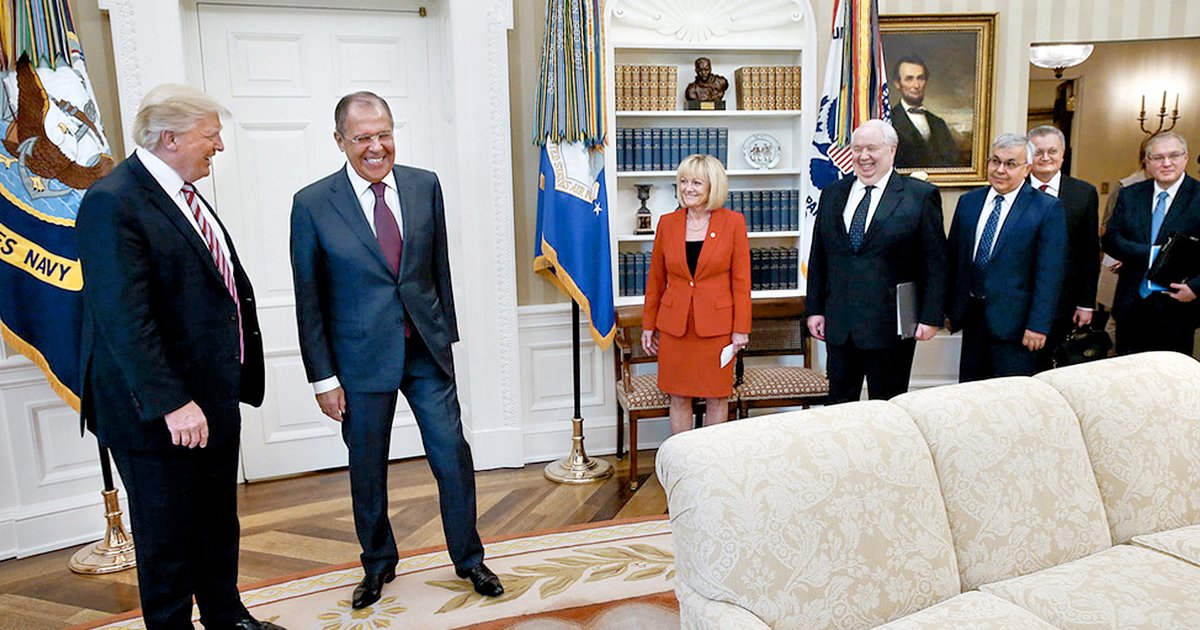
Iranian Foreign Minister Hussein Amir Abdollahian has officially traveled to the Russian capital Moscow to enhance bilateral relations and discuss regional and international issues. At the same time, former U.S. President Donald Trump has urged Iran to contact him for negotiations, underscoring the persistent tensions in the relationship between Tehran and Washington.
Abdollahian's visit to Russia comes at a time when the region is witnessing significant political shifts, with increasing concerns over escalating tensions between Iran and the United States. The Iranian Foreign Minister has emphasized that his country seeks to strengthen cooperation with Russia in various fields, including energy and security.
Details of the Visit
During his visit, Abdollahian is expected to meet with several Russian officials to discuss a range of issues, including the Iranian nuclear agreement and economic relations. He has pointed out the importance of cooperation between the two countries in facing common challenges, especially in light of the sanctions imposed on Iran.
In contrast, Trump's call for negotiations comes amid his attempts to return to the American political arena, as he seeks to regain influence in foreign policy. Trump has stated that the United States is ready to negotiate with Iran if the latter is willing, raising questions about the future of relations between the two countries.
Background & Context
Historically, Iranian-American relations have experienced significant fluctuations, beginning with tensions following the Islamic Revolution in 1979. Since then, the United States has imposed economic sanctions on Iran, which have severely impacted its economy. In recent years, Iran has sought to strengthen its relations with other countries, including Russia and China, as a means to mitigate the effects of sanctions.
In 2015, the Iranian nuclear agreement was reached between Iran and the 5+1 group, which involved the easing of sanctions in exchange for curtailing Iran's nuclear program. However, the U.S. withdrawal from the agreement in 2018 reignited tensions, prompting Iran to resume some of its nuclear activities.
Impact & Consequences
Abdollahian's visit to Russia may reflect a shift in Iranian strategies, as Tehran seeks to bolster its alliances with major powers in the face of U.S. pressures. Additionally, Trump's call for negotiations could open the door for potential dialogue, although doubts remain about the intentions of both parties.
Some analyses predict that these developments could lead to increased tensions in the region, especially if talks fail to achieve tangible progress. At the same time, these dynamics may affect oil prices and financial markets, as Iran is one of the largest oil producers in the world.
Regional Significance
The Iranian-American relationship has a direct impact on security and stability in the Arab region. Any escalation in tensions could have negative repercussions for neighboring countries, particularly those experiencing internal conflicts or tensions with Iran.
Simultaneously, some Arab countries may seek to leverage these dynamics to enhance their relations with major powers, including Russia and the United States, as part of their security and economic strategies.
In conclusion, the current developments in Iranian-American relations remain a significant focus, as they may determine the future of politics in the region and open the door for new alliances or unexpected escalations.