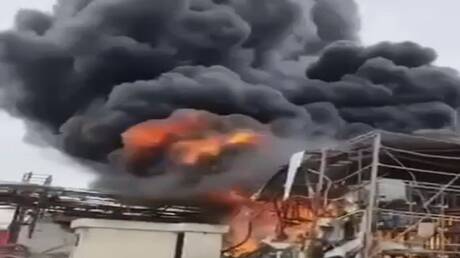
An Iranian missile struck a factory in Beersheba, northern Negev, causing thick smoke to rise into the sky. The incident has raised concerns among Israeli authorities, who quickly issued evacuation orders for exposed areas surrounding the factory in a bid to protect residents from any potential fallout.
Images and videos circulated on social media showed plumes of black smoke billowing from the factory, reflecting the severity of the explosion. This incident comes at a sensitive time when the region is experiencing heightened military tensions, increasing fears about security within Israel.
Details of the Incident
According to reports, the attack occurred late last night, targeting a factory located in an industrial area of Beersheba. Israeli authorities have not yet reported any human casualties, but the material damage was evident. Emergency teams rushed to the site to manage the incident and assess the damage.
This attack is part of escalating tensions between Iran and Israel, with both countries exchanging accusations regarding support for armed groups in the region. Israeli military sources confirmed that the attack is part of an Iranian strategy targeting Israeli infrastructure.
Background & Context
Historically, relations between Iran and Israel have been increasingly strained, especially after Iran enhanced its influence in the region by supporting groups like Hezbollah in Lebanon and Hamas in Gaza. This military escalation reflects growing Israeli fears of Iranian threats, which are viewed as a direct threat to national security.
In recent years, Israel has intensified its military operations against Iranian targets in Syria, leading to heightened tensions in the region. Mutual attacks between the two sides have become more common, reflecting the prevailing instability in the Middle East.
Impact & Consequences
The attack on the factory in Negev could have serious implications for Israeli internal security. Israeli authorities may be compelled to implement stricter security measures in border areas and industrial zones, potentially affecting economic activity in those regions.
Furthermore, this attack could lead to greater military escalation between Iran and Israel, as Tel Aviv may feel the need to respond militarily to this attack, potentially resulting in a cycle of violence in the region.
Regional Significance
This incident highlights the increasing tensions in the Middle East and reflects how regional conflicts can impact the security and stability of neighboring countries. Arab nations facing internal conflicts may find themselves in a difficult position if tensions between Iran and Israel escalate.
Under these circumstances, Arab countries must be cautious in their dealings with these crises, as any escalation could have dire consequences for regional security.
The attack on the factory in Negev serves as another reminder of the security challenges facing Israel amid rising tensions with Iran. This incident could have far-reaching implications for regional security, necessitating a measured response from all parties involved.