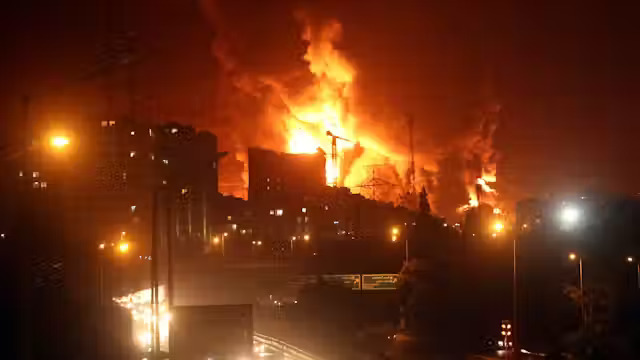
Dr. Sultan Ahmed Al Jaber, the Minister of Industry and Advanced Technology in the UAE, has warned that Iranian movements in the Strait of Hormuz represent a threat that goes beyond regional implications. Al Jaber emphasized that this situation could significantly affect economic and political stability both in the region and globally.
These statements come at a time when the Strait of Hormuz, considered one of the most important maritime passages in the world, is witnessing increasing tensions due to Iranian activities. These activities raise concerns among many countries, especially those that rely on oil and natural gas transported through this strait.
Details of the Situation
During a press conference, Al Jaber clarified that the Strait of Hormuz is a lifeline for the global economy, with approximately 20% of the world's total oil supplies passing through it. He pointed out that any escalation in tensions could lead to rising oil prices, negatively impacting global economies and exacerbating the suffering of countries already facing economic crises.
Al Jaber also stressed the importance of international cooperation to address these challenges, emphasizing the need for effective measures to ensure the safety of navigation in the strait. He noted that the UAE is working to enhance its defensive capabilities and collaborate with international partners to ensure regional security.
Background & Context
Historically, the Strait of Hormuz has witnessed numerous tensions, particularly amid ongoing regional conflicts. Iran, which controls part of the Iranian coast along the strait, has previously used threats to close it as a means of pressuring Western countries. These threats raise concerns among oil-exporting nations, especially given the heavy reliance on this vital corridor.
In recent years, Iranian military activities in the region have increased, leading to heightened tensions with the United States and its allies. These dynamics make it essential for concerned nations to work together to ensure regional stability.
Impact & Consequences
If tensions in the Strait of Hormuz continue, it could lead to serious repercussions for the global economy. Rising oil prices due to any escalation could affect transportation and production costs, potentially leading to price increases across various sectors. Additionally, any disruption in oil supplies could trigger energy crises in importing countries.
Moreover, the continuation of tensions could increase political divisions in the region, complicating peace and stability efforts. Countries that depend on regional stability may find themselves in a difficult position, necessitating a coordinated response from the international community.
Regional Significance
For Arab countries, tensions in the Strait of Hormuz represent a direct threat to national security. Many Arab nations rely on oil as a primary source of revenue, and any escalation in the region could significantly impact their economies. Stability in this area is also crucial for achieving sustainable development.
In this context, Arab countries must enhance cooperation among themselves to face common challenges and work on building effective strategies to ensure security and stability in the region. Regional and international cooperation will play a critical role in addressing the threats that may arise from tensions in the Strait of Hormuz.