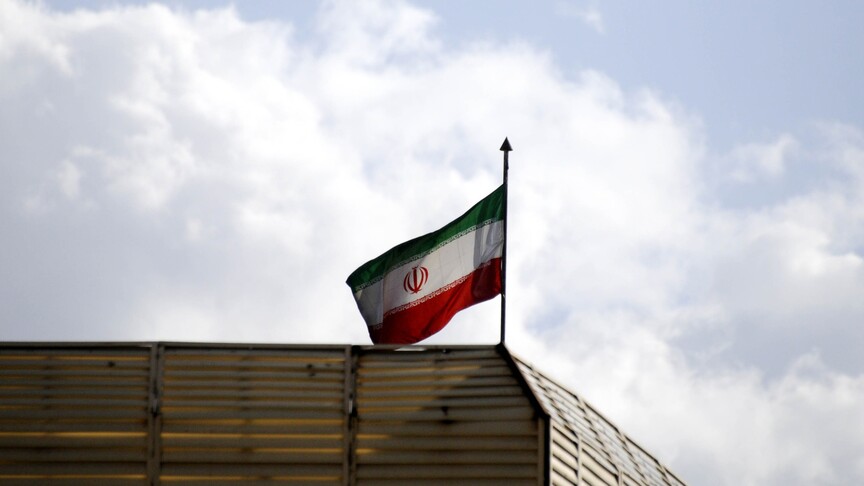
Mohammad Baqer Qalibaf, the Speaker of the Iranian Parliament, warned against escalating tensions with the United States, emphasizing the need to respect the rights of the Iranian people. His remarks came during a parliamentary session where he called for an end to what he termed a 'dangerous game' that could exacerbate conditions in the region.
Qalibaf asserted that the real solution lies in respecting the rights of Iranians, pointing out that escalation would only lead to further tensions. His statements come at a sensitive time when Iranian-American relations are experiencing increasing strain, especially following the U.S. withdrawal from the nuclear agreement in 2018.
Details of the Event
During the parliamentary session, Qalibaf addressed numerous issues related to Iranian foreign policy, stressing the importance of dialogue and mutual respect. He also indicated that Iran would not accept any form of interference in its internal affairs and would defend the rights of its people by all available means.
These statements come as international pressure on Iran is mounting, particularly from the United States and its allies. Recently, there has been an escalation in military and economic threats, which heightens tensions in the region.
Background & Context
Historically, Iranian-American relations have witnessed many fluctuations, starting from the Iranian Revolution in 1979, which led to the severing of diplomatic ties between the two countries. Since then, Iran has become a target of U.S. policies, resulting in the imposition of severe economic sanctions.
In recent years, Iran has attempted to strengthen its relations with other countries in the region, such as Russia and China, as a means to counter Western pressures. However, tensions remain, particularly amid ongoing conflicts in the Middle East.
Impact & Consequences
Qalibaf's warnings indicate the potential for escalating situations in the region, which could impact regional security and stability. If the United States continues its current policies, we may witness military reactions from Iran, increasing the risk of a widespread conflict.
Moreover, any escalation could affect oil prices and global markets, as Iran is one of the largest oil producers in the world. Consequently, any tensions in the region could negatively impact the global economy.
Regional Significance
Neighboring Arab countries, such as Iraq, Syria, and Lebanon, are among the most affected by Iranian-American tensions. These countries are already suffering from internal and external conflicts, and any escalation could worsen conditions within them.
Arab nations are also striving for stability in the region, making them closely monitor developments between Iran and the United States. Regional cooperation may be essential to counter any potential threats, especially in light of increasing security challenges.
In conclusion, the question remains as to how the international community will address these tensions. Will diplomacy succeed in calming the situation, or is escalation the only option available?