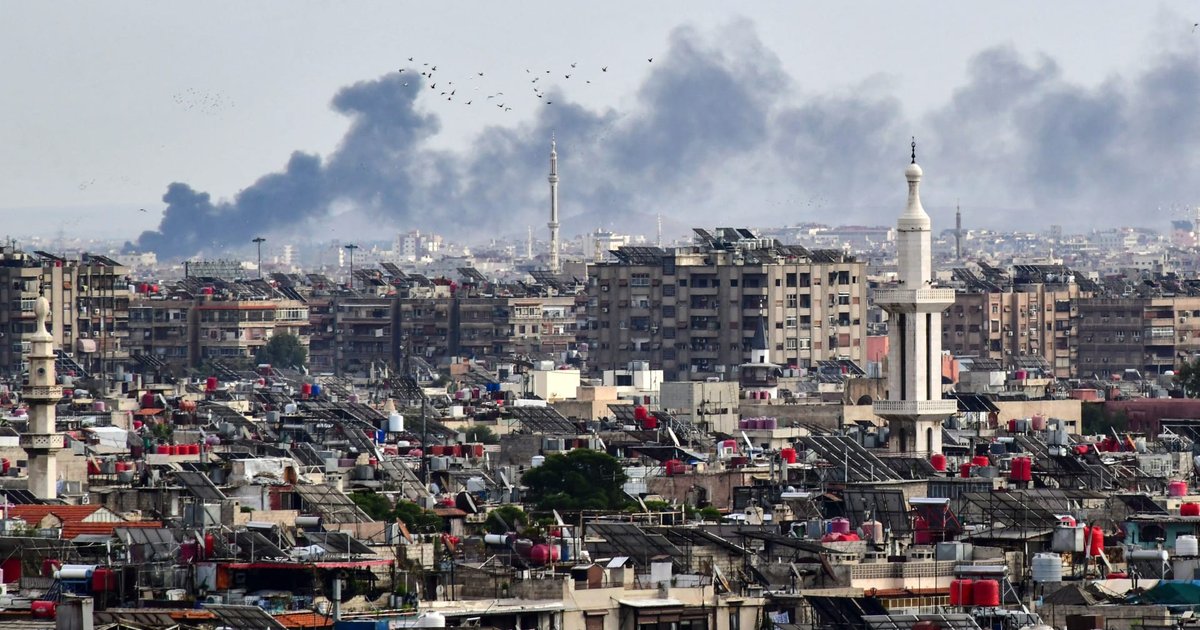
Israeli media reports have confirmed that a prominent commander in the Iranian Revolutionary Guard's navy was killed in Bandar Abbas, reflecting escalating tensions in the region. Channel 12 reported that the commander was responsible for efforts to close the Strait of Hormuz, which is considered one of the most vital waterways in the world.
Channel 14 also confirmed the news of the commander's death, stating that he was "removed," but no immediate confirmations were issued by Iranian officials regarding the veracity of this information, raising questions about the implications of this incident on regional security.
Details of the Incident
This news comes at a sensitive time for the region, as relations between Iran and Israel are increasingly strained. The Strait of Hormuz is a critical point for oil transportation, used by many countries for exporting oil and gas. Iran has previously threatened to close the strait in the event of a military attack.
The death of the commander could be seen as a significant blow to the Iranian Revolutionary Guard, which is considered one of the military arms of the Iranian regime, and also reflects the Israeli strategy of targeting Iranian military leaders amid the ongoing conflict between the two sides.
Background & Context
Historically, relations between Iran and Israel have been tense since the Islamic Revolution in Iran in 1979. In recent years, there has been an escalation in military and intelligence activities between the two countries, with Israel conducting airstrikes on Iranian sites in Syria, while Iran has responded with threats against Israeli interests.
In recent years, Iran has increased its military presence in the region, raising concerns among neighboring countries and the United States. Reports have indicated that the Iranian Revolutionary Guard has bolstered its naval capabilities in the Strait of Hormuz, increasing the likelihood of military confrontations.
Impact & Consequences
The killing of the naval commander may lead to an escalation of tensions between Iran and Israel, potentially encouraging Israel to carry out more military operations against Iranian targets. This incident could also strengthen the position of Iranian military forces, as the Revolutionary Guard is a fundamental part of Iran's defensive strategy.
Moreover, this event may impact global oil prices, as any escalation in the region could heighten fears of oil supply disruptions, potentially driving prices up in global markets.
Regional Significance
For Arab countries, this incident serves as an indicator of the ongoing tensions in the region, as any escalation between Iran and Israel could affect the security and stability of Gulf Arab states. Additionally, Arab nations that rely on oil exports may face economic challenges as a result of any military escalation.
In conclusion, this incident illustrates how regional conflict remains ongoing, and military events can lead to far-reaching consequences that affect all countries in the region.