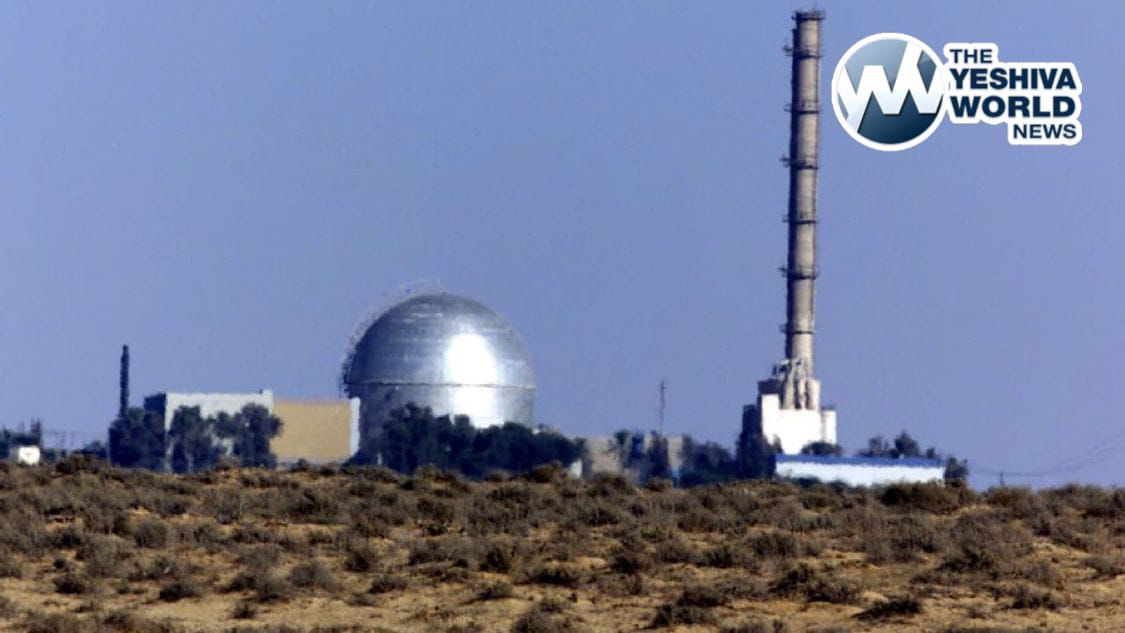
The Iranian Revolutionary Guard reported that it targeted the areas of Dimona, Negev, Beersheba, and Ramat Gan with missiles, noting that Israeli air defenses did not respond to these attacks. This announcement reflects a significant escalation in tensions between Iran and Israel, occurring at a sensitive time when the region is experiencing increasing unrest.
In a related context, the Revolutionary Guard confirmed that these attacks are part of a response to what it described as Israeli aggressions against Iranian territory. The spokesperson for the Revolutionary Guard indicated that these operations represent a part of Iran's strategy to defend its interests and national security.
Details of the Incident
Dimona, Negev, Beersheba, and Ramat Gan are considered strategic areas in Israel, with Dimona housing a nuclear facility that Iran views as a primary target. Reports have shown that the attacks were carried out using long-range missiles, reflecting Iran's capability to conduct complex military operations.
This escalation follows a series of military skirmishes between the two sides, with the past weeks witnessing an increase in reciprocal attacks, raising concerns about the potential for the conflict to escalate to new levels. Israeli media have reported a state of alert among the Israeli armed forces in anticipation of any possible reactions.
Background & Context
Historically, relations between Iran and Israel have been tense, with Iran considering Israel an existential threat. Recent years have seen an escalation in these tensions, particularly after the United States withdrew from the nuclear agreement with Iran in 2018, leading to the re-imposition of economic sanctions on Tehran.
Moreover, Israeli military operations against Iranian targets in Syria have intensified tensions, as Israel seeks to prevent Iran from bolstering its military presence near its borders. This situation makes it difficult to predict the course of events in the region, where any escalation could lead to a large-scale military conflict.
Impact & Consequences
These developments could lead to increased tensions in the Middle East, where Iran and Israel are considered major regional powers. Any escalation in the conflict could affect regional stability and heighten security risks in neighboring countries, such as Lebanon and Syria.
Furthermore, these events may impact international relations, as major powers like the United States and Russia might intervene in an attempt to mitigate the escalation. Neighboring Arab countries may find themselves compelled to deal with the repercussions of this conflict, complicating the regional situation further.
Regional Significance
These events serve as a wake-up call for Arab countries, highlighting the need to enhance security and political cooperation to address common challenges. The escalation between Iran and Israel could also affect peace efforts in the region, potentially exacerbating humanitarian crises in the areas affected by the conflict.
In conclusion, this escalation between the Iranian Revolutionary Guard and Israel represents a serious development that could negatively impact security and stability in the region. The current situation requires Arab countries to take proactive steps to address the growing challenges.